

Stress corrosion cracking (SCC) is a critical concern in many industrial applications, especially when it comes to materials used in harsh environments. As a supplier of Carbon Steel Caps, I often receive inquiries about the resistance of carbon steel caps to stress corrosion cracking. In this blog post, I will delve into the factors that influence SCC in carbon steel caps and discuss their overall resistance to this phenomenon.
Understanding Stress Corrosion Cracking
Stress corrosion cracking is a form of corrosion that occurs when a material is exposed to a combination of tensile stress and a corrosive environment. This type of cracking can lead to catastrophic failures in structures and equipment, making it a significant safety and economic concern. SCC typically occurs in specific alloy - environment combinations, and the cracking can be either intergranular or transgranular, depending on the material and the environment.
In the case of carbon steel, SCC can be a serious issue, especially in environments containing certain chemicals such as hydroxide, carbonate - bicarbonate, and nitrate. These environments can initiate and propagate cracks in the carbon steel, leading to premature failure of the component.
Factors Affecting SCC in Carbon Steel Caps
Chemical Composition
The chemical composition of carbon steel plays a crucial role in its resistance to SCC. Carbon steel is primarily composed of iron and carbon, with small amounts of other elements such as manganese, silicon, sulfur, and phosphorus. The presence of certain elements can either enhance or reduce the susceptibility of carbon steel to SCC.
For example, the addition of alloying elements such as chromium, nickel, and molybdenum can improve the corrosion resistance of carbon steel. These elements form a passive oxide layer on the surface of the steel, which acts as a barrier against corrosive agents. However, in carbon steel caps, the amount of these alloying elements is usually limited, which means that they may be more susceptible to SCC compared to stainless steels.
On the other hand, impurities such as sulfur and phosphorus can increase the susceptibility of carbon steel to SCC. These elements can form low - melting - point compounds at the grain boundaries, which can act as initiation sites for cracks. Therefore, it is important to control the chemical composition of carbon steel caps to minimize the presence of these impurities.
Microstructure
The microstructure of carbon steel also affects its resistance to SCC. Carbon steel can have different microstructures, such as ferrite, pearlite, bainite, and martensite, depending on the heat treatment and cooling rate during manufacturing.
Ferrite is a relatively soft and ductile phase, which is generally more resistant to SCC compared to other phases. Pearlite, which is a mixture of ferrite and cementite, has intermediate resistance to SCC. Bainite and martensite, which are harder and more brittle phases, are more susceptible to SCC due to their high internal stresses and low ductility.

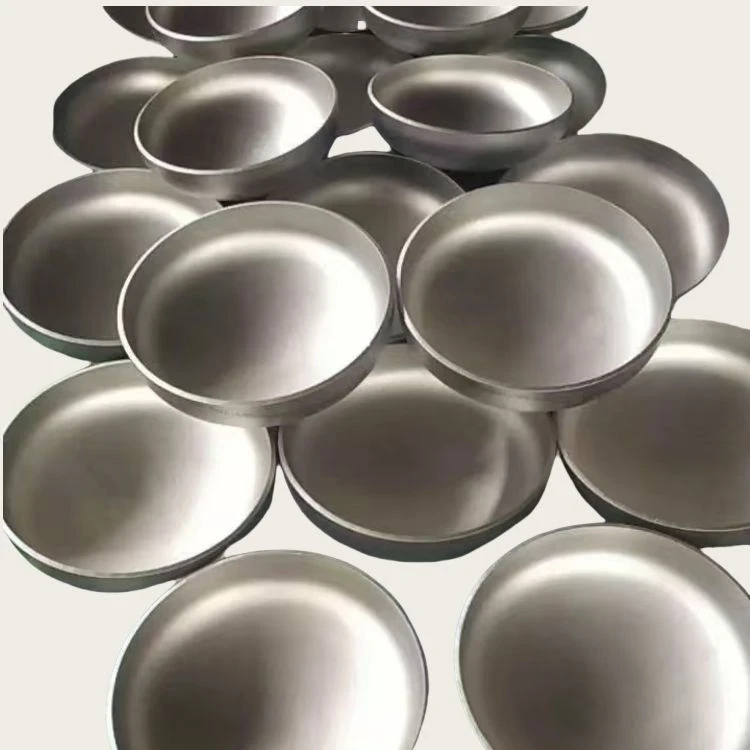
Therefore, the heat treatment process used to manufacture carbon steel caps is crucial. Proper heat treatment can optimize the microstructure of the steel, improving its resistance to SCC. For example, normalizing or annealing the carbon steel can refine the grain structure and reduce internal stresses, thereby enhancing its SCC resistance.
Stress Level
The level of tensile stress in the carbon steel cap is another important factor influencing SCC. Tensile stress can be either applied externally, such as during installation or operation, or internally, due to manufacturing processes such as welding or cold working.
Higher levels of tensile stress increase the susceptibility of carbon steel to SCC. Therefore, it is important to minimize the stress levels in carbon steel caps during installation and operation. This can be achieved by proper design, installation techniques, and stress relief treatments. For example, using appropriate gaskets and bolts during installation can reduce the stress concentration in the carbon steel cap.
Corrosive Environment
The nature of the corrosive environment is perhaps the most significant factor affecting SCC in carbon steel caps. Different environments have different abilities to initiate and propagate cracks in carbon steel.
As mentioned earlier, environments containing hydroxide, carbonate - bicarbonate, and nitrate are particularly aggressive towards carbon steel. In addition, the temperature, pH, and concentration of the corrosive agents also play a role. Higher temperatures and lower pH values generally increase the rate of corrosion and the susceptibility to SCC.
Therefore, it is essential to understand the specific corrosive environment in which the carbon steel caps will be used. This information can be used to select the appropriate type of carbon steel cap and to implement corrosion prevention measures, such as coating or cathodic protection.
Resistance of Carbon Steel Caps to SCC
Despite the potential susceptibility of carbon steel to SCC, carbon steel caps can have good resistance to this phenomenon under certain conditions.
If the carbon steel caps are made from high - quality materials with controlled chemical composition and proper microstructure, and if they are installed and operated under low - stress conditions in a relatively mild corrosive environment, they can resist SCC for a long time.
For example, in some water - based systems where the water is clean and free of aggressive chemicals, carbon steel caps can provide reliable service without significant SCC. However, in more severe environments, such as those containing high - concentration salts or strong acids, additional corrosion protection measures may be required.
We offer a wide range of Carbon Steel Buttweld Caps and Carbon Steel Pipe End Caps that are manufactured using advanced techniques to ensure optimal chemical composition and microstructure. Our caps are designed to withstand a variety of operating conditions, and we can provide technical support to help you select the most suitable product for your specific application.
Conclusion
In conclusion, the resistance of carbon steel caps to stress corrosion cracking depends on a combination of factors, including chemical composition, microstructure, stress level, and the corrosive environment. While carbon steel caps can be susceptible to SCC, proper material selection, manufacturing processes, installation, and operation can significantly improve their resistance.
If you are considering using carbon steel caps in your project, it is important to carefully evaluate the specific conditions of your application and to consult with experts to ensure that the caps will perform reliably. As a supplier of high - quality carbon steel caps, we are committed to providing you with the best products and technical support. If you have any questions or would like to discuss your requirements further, please feel free to contact us for a detailed discussion and potential procurement.
References
- Fontana, M. G. (1986). Corrosion Engineering. McGraw - Hill.
- Uhlig, H. H., & Revie, R. W. (1985). Corrosion and Corrosion Control. Wiley - Interscience.
- ASTM International standards related to carbon steel and corrosion testing.