

Can carbon steel caps be used in water treatment plants? That's a question I get asked a lot as a supplier of Carbon Steel Caps. And the answer isn't a simple yes or no. There are a bunch of factors to consider, so let's dig into it.
First off, let's talk about what carbon steel caps are. They're basically covers made from carbon steel that are used to seal the ends of pipes. You can find different types, like Carbon Steel Buttweld Caps and Carbon Steel Pipe End Caps. These caps come in handy in many industries, and water treatment plants are no exception.
One of the big advantages of using carbon steel caps in water treatment plants is their strength. Carbon steel is a tough material. It can handle high pressure and won't easily crack or break. In a water treatment plant, there are often pipes carrying water at different pressures. You need caps that can stand up to that kind of stress. Carbon steel caps fit the bill perfectly. They can keep the water inside the pipes and prevent leaks, which is super important for the efficient operation of the plant.
Another plus is cost - effectiveness. Compared to some other materials like stainless steel, carbon steel is generally more affordable. Water treatment plants often have a lot of pipes, and they need to cap them all. Buying carbon steel caps can save a significant amount of money in the long run. This means the plant can allocate its budget to other important areas like upgrading filtration systems or improving water quality monitoring.
But it's not all sunshine and rainbows. Carbon steel has one major drawback when it comes to water treatment: corrosion. Water, especially if it's treated with chemicals like chlorine, can be corrosive to carbon steel. If the caps start to corrode, it can lead to problems. Corroded caps might develop holes, which can cause leaks. And if the corrosion products get into the water, it can contaminate the treated water, which is a huge no - no in a water treatment plant.
So, how can we deal with this corrosion issue? Well, one solution is to use coatings. There are special coatings available that can be applied to the carbon steel caps. These coatings act as a barrier between the steel and the water, preventing direct contact and reducing the risk of corrosion. For example, epoxy coatings are quite popular. They're durable and can provide long - term protection. However, applying these coatings adds to the cost, and they also need to be maintained regularly. If the coating gets damaged, the steel underneath is exposed to the water again, and corrosion can start.
Another option is to use carbon steel caps in areas where the water conditions are less harsh. For instance, in some parts of the water treatment process, the water might be less corrosive. Maybe it's before the chemicals are added, or it's in a part of the system where the water is relatively clean. In these areas, carbon steel caps can work well without too much worry about corrosion.
It's also important to consider the type of water being treated. If the water is from a freshwater source, the corrosion risk might be lower compared to water from a saltwater source. Saltwater is much more corrosive because of the high salt content. So, if a water treatment plant is dealing with desalination or treating saltwater, they need to be extra careful when using carbon steel caps.

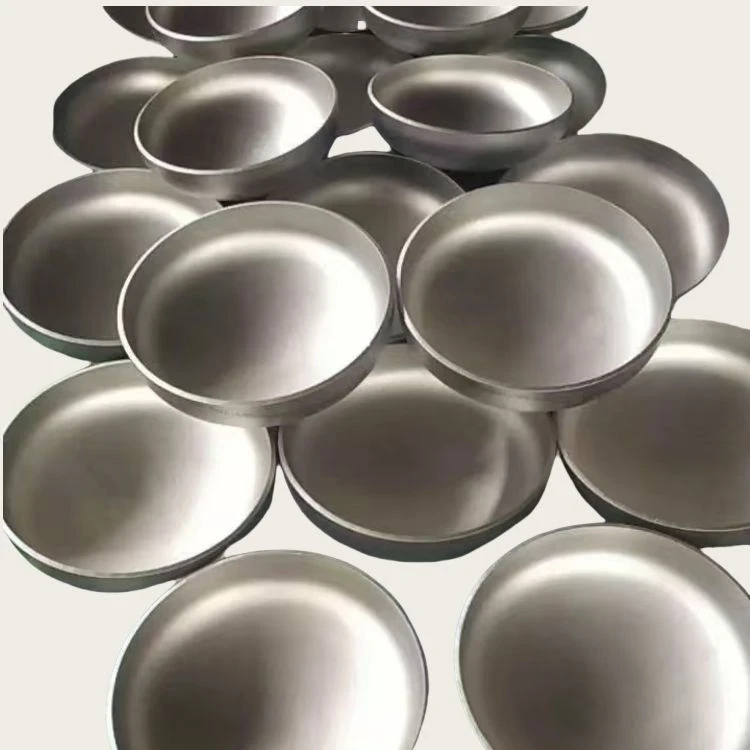
In addition to corrosion, the design of the carbon steel caps also matters. The caps need to be properly sized and installed. If they're too small or not installed correctly, they might not provide a proper seal. This can lead to leaks, which can disrupt the water treatment process. And in a plant where every drop of water counts, even a small leak can cause problems.
When it comes to regulatory requirements, water treatment plants have to follow strict rules. These rules are in place to ensure the safety and quality of the treated water. Before using carbon steel caps, the plant needs to make sure that they meet all the relevant regulations. This might involve getting the caps tested to prove that they won't contaminate the water or cause any other issues.
So, can carbon steel caps be used in water treatment plants? The answer is yes, but with some precautions. If the plant takes steps to deal with the corrosion issue, like using coatings or placing the caps in less corrosive areas, and makes sure the caps are properly designed and installed, carbon steel caps can be a viable option.
If you're running a water treatment plant and you're considering using carbon steel caps, I'd love to have a chat with you. I've been in the business for a long time, and I can provide you with more detailed information about the different types of carbon steel caps we offer, their features, and how they can work in your specific situation. Whether you need Carbon Steel Buttweld Caps, Carbon Steel Pipe End Caps, or just Carbon Steel Caps in general, I'm here to help. Contact me, and we can start a discussion about your needs and how we can find the best solution for your water treatment plant.
References
- "Corrosion of Metals in Water Treatment Systems" - Journal of Water Treatment Technology
- "Materials Selection for Water Treatment Piping" - Water Industry Research Report