

Hey there! I'm an ASME dished head supplier, and today I wanna chat about how to design ASME dished heads for environmental protection. As we all know, environmental protection is a hot topic these days, and it's crucial that we, as manufacturers, do our part to reduce our impact on the planet. So, let's dive into it!
Understanding ASME Dished Heads
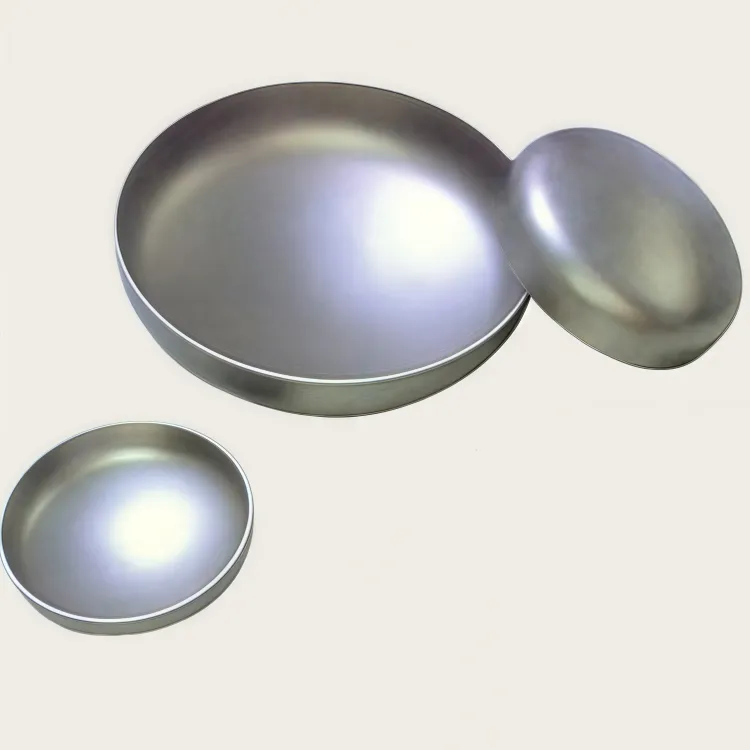
First off, let's quickly go over what ASME dished heads are. ASME stands for the American Society of Mechanical Engineers, and they've set the standards for these dished heads. These heads are used in a variety of industries, like oil and gas, chemical processing, and food and beverage. They're an essential part of pressure vessels, tanks, and other equipment.
There are different types of ASME dished heads, such as ASME Flanged and Dished Head, ASME Tank Heads, and Hemispherical Head ASME Code. Each type has its own unique design and application, but they all need to meet the strict ASME standards.
Design Considerations for Environmental Protection
Material Selection
One of the most important aspects of designing ASME dished heads for environmental protection is choosing the right materials. We should opt for materials that are not only strong and durable but also environmentally friendly. For example, stainless steel is a great choice. It's corrosion-resistant, which means it has a long lifespan and reduces the need for frequent replacements. Plus, it's recyclable, so at the end of its life, it can be reused to make new products.
Another option is to use materials with a lower carbon footprint. Some manufacturers are now producing steel with a reduced amount of greenhouse gas emissions during the manufacturing process. By choosing these materials, we can help cut down on the overall environmental impact of our dished heads.
Energy Efficiency
During the manufacturing process, energy consumption is a big deal. We need to design our processes to be as energy-efficient as possible. This could involve using advanced manufacturing techniques, like precision machining, which reduces waste and requires less energy. Also, investing in energy-efficient equipment, such as high-efficiency furnaces and welding machines, can make a huge difference.
We can also look at the design of the dished heads themselves to improve energy efficiency. For example, a well-designed head can reduce heat loss in a pressure vessel, which means less energy is needed to maintain the desired temperature inside the vessel.
Waste Reduction
Reducing waste is another key factor in environmental protection. In the production of ASME dished heads, we can minimize waste by optimizing our cutting and forming processes. Using computer-aided design (CAD) software, we can accurately plan the layout of the materials, ensuring that we use as much of the raw material as possible.
Any waste that is generated should be properly managed. Scrap metal can be recycled, and other waste materials should be disposed of in an environmentally responsible way. By reducing waste, we not only help the environment but also save on costs.
Lifecycle Assessment
When designing ASME dished heads, it's important to consider the entire lifecycle of the product. This includes the raw material extraction, manufacturing, transportation, use, and end-of-life disposal. By conducting a lifecycle assessment, we can identify areas where we can make improvements to reduce the environmental impact.
For example, if we find that transportation is a major contributor to the carbon footprint of our dished heads, we can look for ways to optimize our shipping routes or use more fuel-efficient vehicles.
Meeting ASME Standards while Protecting the Environment
It's important to note that while we're focusing on environmental protection, we still need to meet the strict ASME standards. These standards are in place to ensure the safety and reliability of the dished heads. So, how do we balance environmental concerns with these standards?
Well, it's all about finding the right solutions. For example, when choosing materials, we need to make sure that they meet the mechanical and chemical requirements set by ASME. At the same time, we can look for environmentally friendly options that still meet these standards.
In terms of manufacturing processes, we can develop new techniques that are both energy-efficient and capable of producing high-quality dished heads that meet ASME specifications. It might take some research and development, but it's definitely achievable.
The Benefits of Designing for Environmental Protection
Designing ASME dished heads for environmental protection isn't just good for the planet; it also has some great benefits for our business. First of all, it can improve our reputation. In today's market, customers are becoming more environmentally conscious, and they're more likely to do business with companies that share their values.

Secondly, it can lead to cost savings. By reducing energy consumption, waste, and using recyclable materials, we can lower our production costs. This can make our products more competitive in the market.
Conclusion
In conclusion, designing ASME dished heads for environmental protection is a win-win situation. It helps us protect the planet while also benefiting our business. By carefully considering material selection, energy efficiency, waste reduction, and conducting lifecycle assessments, we can create high-quality dished heads that meet ASME standards and are environmentally friendly.
If you're in the market for ASME dished heads and are interested in environmentally friendly options, I'd love to have a chat with you. We can discuss your specific needs and how we can design the perfect dished heads for your application. Let's work together to make a positive impact on the environment while getting the job done right.
References
- ASME Boiler and Pressure Vessel Code
- ISO 14001: Environmental Management Systems
- Various industry research papers on sustainable manufacturing