

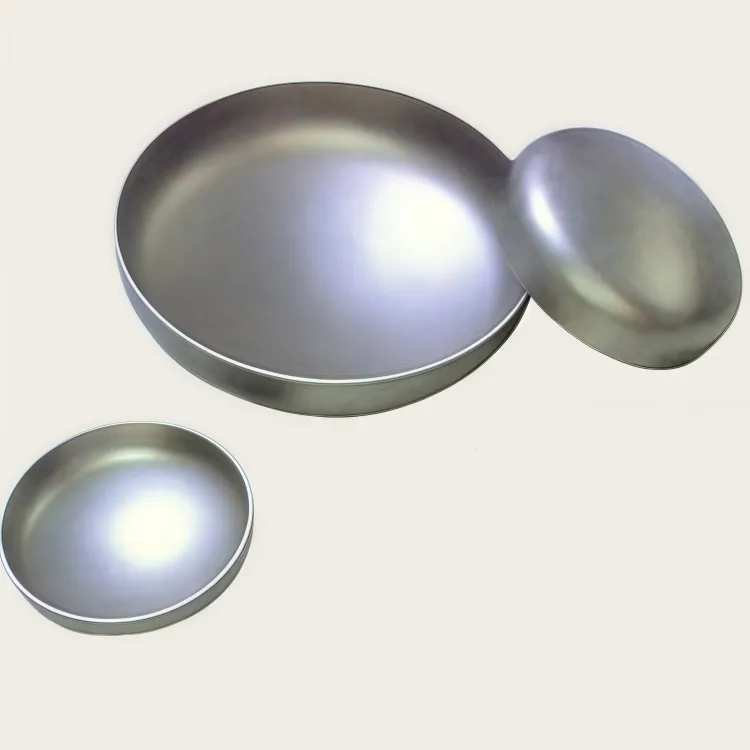
As a supplier of ASME dished heads, ensuring the high - performance and quality of these components is of utmost importance. ASME dished heads are widely used in various industries such as chemical, food and beverage, and oil and gas, where they play a critical role in the safety and efficiency of pressure vessels. Monitoring the performance of ASME dished heads is a multi - faceted process that involves a combination of design assessment, material inspection, and in - service monitoring.
Design Assessment
The first step in monitoring the performance of ASME dished heads starts at the design stage. A well - designed dished head is the foundation for its long - term performance. When designing ASME dished heads, we must strictly adhere to the ASME Boiler and Pressure Vessel Code. This code provides detailed guidelines on the design, fabrication, and inspection of pressure vessel components, including dished heads.
For example, the code specifies the minimum thickness requirements based on the operating pressure, temperature, and diameter of the vessel. By following these guidelines, we can ensure that the dished head has sufficient strength to withstand the internal pressure. In addition, the design should also consider factors such as the type of fluid or gas inside the vessel, corrosion potential, and the expected service life.
We often use advanced computer - aided design (CAD) and finite element analysis (FEA) software to simulate the stress distribution and deformation of the dished head under different operating conditions. These tools allow us to identify potential weak points in the design and make necessary adjustments before fabrication. For instance, if the FEA shows that there is excessive stress concentration in a certain area of the dished head, we can modify the shape or thickness of that area to improve its performance.

Material Inspection
The quality of the material used in the fabrication of ASME dished heads is another crucial factor that affects their performance. As a supplier, we source materials from reliable and certified suppliers. Before using any material, we conduct a series of inspections to ensure its compliance with the ASME requirements.
One of the primary inspections is the chemical composition analysis. We use techniques such as spectrometry to determine the exact chemical composition of the material. This is important because the chemical composition can significantly affect the mechanical properties and corrosion resistance of the dished head. For example, a high carbon content in steel can increase its strength but also make it more prone to corrosion.
In addition to chemical composition analysis, we also perform mechanical property tests. These tests include tensile testing, hardness testing, and impact testing. Tensile testing measures the maximum stress that the material can withstand before breaking, while hardness testing assesses the material's resistance to indentation. Impact testing evaluates the material's ability to absorb energy under sudden loading conditions. By conducting these tests, we can ensure that the material has the necessary strength and toughness for the intended application.
We also inspect the material for any surface defects such as cracks, porosity, or inclusions. These defects can act as stress concentrators and reduce the performance and safety of the dished head. We use non - destructive testing (NDT) methods such as ultrasonic testing, magnetic particle testing, and radiographic testing to detect these defects. Ultrasonic testing uses high - frequency sound waves to detect internal defects, while magnetic particle testing is used to detect surface and near - surface defects in ferromagnetic materials. Radiographic testing, on the other hand, uses X - rays or gamma rays to create an image of the internal structure of the material.
In - Service Monitoring
Once the ASME dished heads are installed and in service, continuous monitoring is essential to ensure their long - term performance. There are several methods that can be used for in - service monitoring.
One of the most common methods is visual inspection. Regular visual inspections can help detect any obvious signs of damage such as corrosion, deformation, or leakage. Inspectors look for changes in the appearance of the dished head, such as rust spots, bulges, or cracks. Visual inspections are usually carried out during scheduled maintenance intervals and can provide valuable information about the condition of the dished head.
Another important in - service monitoring method is pressure and temperature monitoring. By continuously monitoring the pressure and temperature inside the vessel, we can detect any abnormal operating conditions that may affect the performance of the dished head. For example, if the pressure exceeds the design limit, it can cause excessive stress on the dished head and lead to failure. Similarly, high temperatures can also reduce the strength of the material and increase the risk of corrosion.
We can also use strain gauges to monitor the deformation of the dished head. Strain gauges are small sensors that are attached to the surface of the dished head. They measure the strain or deformation of the material and can provide real - time information about the stress levels. By analyzing the strain data, we can detect any signs of over - stress or fatigue in the dished head.
In addition to these methods, acoustic emission monitoring can also be used to detect the presence of cracks or other defects in the dished head. Acoustic emission is the phenomenon of elastic waves being emitted when a material undergoes deformation or damage. By using acoustic sensors, we can detect these waves and analyze them to determine the location and severity of the damage.
Types of ASME Dished Heads and Their Performance Monitoring
There are several types of ASME dished heads, each with its own characteristics and performance monitoring requirements.
Hemispherical Head ASME Code
Hemispherical heads are known for their excellent strength - to - weight ratio. They can withstand high internal pressures with relatively thin walls. When monitoring the performance of Hemispherical Head ASME Code, special attention should be paid to the stress distribution at the junction between the head and the shell. This area is prone to stress concentration, especially under high - pressure conditions. Regular FEA analysis can be used to monitor the stress levels at this junction, and visual inspections can detect any signs of cracking or deformation.
ASME Flanged and Dished Head
ASME flanged and dished heads are widely used in pressure vessels. The flange provides a convenient way to connect the head to the shell. When monitoring these heads, we need to ensure the integrity of the flange connection. This includes checking for proper bolt tightening, gasket condition, and any signs of leakage. In addition, the dished part of the head should be monitored for stress and deformation, similar to other types of dished heads. For more information on ASME Flanged and Dished Head, you can visit the provided link.
ASME Tank Heads
ASME tank heads are used in storage tanks and other large - scale vessels. These heads are often subject to long - term static loads and environmental factors such as corrosion. Performance monitoring of ASME Tank Heads should include regular corrosion inspections, especially in areas where the tank is exposed to corrosive substances. In addition, monitoring the settlement and deformation of the tank can also help ensure the proper performance of the tank heads.
Conclusion
Monitoring the performance of ASME dished heads is a comprehensive process that involves design assessment, material inspection, and in - service monitoring. By following the ASME Boiler and Pressure Vessel Code and using advanced testing and monitoring techniques, we can ensure the high - quality and reliable performance of these critical components.
If you are in the market for high - quality ASME dished heads or need more information about our products and performance monitoring services, please feel free to contact us for procurement discussions. We are committed to providing you with the best solutions for your pressure vessel needs.
References
- ASME Boiler and Pressure Vessel Code, American Society of Mechanical Engineers.
- "Pressure Vessel Design Manual" by Dennis R. Moss.
- "Non - Destructive Testing Handbook" by the American Society for Nondestructive Testing.