

What are the cost factors of ASME tank heads?
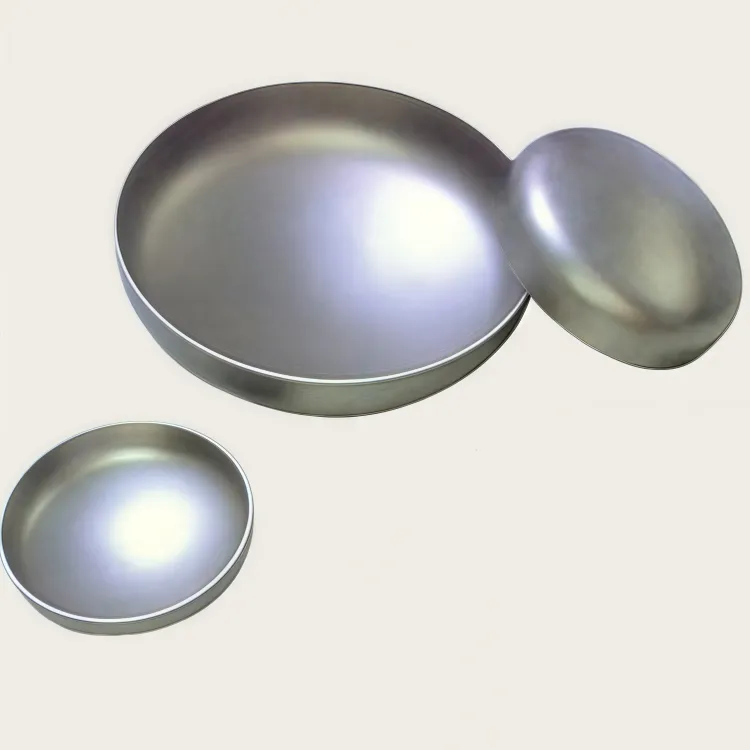
As a supplier of ASME tank heads, I've had the privilege of witnessing firsthand the intricate web of factors that contribute to the cost of these essential components. ASME tank heads are crucial for pressure vessels, playing a vital role in ensuring safety and efficiency. In this blog post, I'll delve into the various cost factors associated with ASME tank heads, providing insights that can help you make informed decisions when purchasing these products.
Material Selection
One of the most significant cost factors for ASME tank heads is the choice of material. Different materials have varying properties, such as strength, corrosion resistance, and heat resistance, which directly impact their cost. Common materials used for ASME tank heads include carbon steel, stainless steel, and alloy steel.
Carbon steel is the most economical option, offering good strength and weldability. It is suitable for applications where corrosion is not a major concern. However, it may require additional coating or lining to protect against rust and other forms of corrosion. Stainless steel, on the other hand, is more expensive but provides excellent corrosion resistance, making it ideal for applications in harsh environments. Alloy steel combines the properties of different metals, offering enhanced strength and performance, but at a higher cost.
When selecting the material for your ASME tank heads, it's essential to consider the specific requirements of your application, such as the operating temperature, pressure, and the type of fluid or gas being stored. Choosing the right material can help you balance cost and performance, ensuring the long-term reliability of your pressure vessels.
Manufacturing Process
The manufacturing process used to produce ASME tank heads also has a significant impact on their cost. There are several methods for manufacturing tank heads, including spinning, pressing, and forging.
Spinning is a relatively simple and cost-effective method that involves shaping a flat plate into a curved shape using a spinning lathe. This method is suitable for small to medium-sized tank heads and is often used for prototype or low-volume production. Pressing, on the other hand, involves using a hydraulic press to form the tank head from a flat plate. This method is more precise and can produce larger and more complex tank heads. However, it requires specialized equipment and tooling, which can increase the cost.
Forging is the most expensive manufacturing method but offers the highest level of strength and quality. It involves heating a metal billet and shaping it using a hammer or press. Forged tank heads are typically used in high-pressure and high-temperature applications where reliability is critical.
In addition to the manufacturing method, the complexity of the design also affects the cost. Tank heads with custom shapes, sizes, or features may require additional machining or processing, which can increase the production time and cost.

Quality and Certification
ASME tank heads are subject to strict quality standards and regulations to ensure their safety and reliability. The American Society of Mechanical Engineers (ASME) sets the standards for the design, fabrication, and inspection of pressure vessels and their components, including tank heads.
To meet ASME requirements, tank heads must undergo rigorous testing and inspection throughout the manufacturing process. This includes non-destructive testing (NDT) methods such as ultrasonic testing, radiographic testing, and magnetic particle testing to detect any internal or surface defects. Additionally, tank heads must be stamped with the ASME certification mark, indicating that they have been manufactured in accordance with the applicable ASME codes and standards.
Obtaining ASME certification requires significant investment in quality control systems, testing equipment, and personnel training. As a result, ASME-certified tank heads are generally more expensive than non-certified ones. However, the cost of certification is often offset by the increased safety and reliability of the products, as well as the peace of mind it provides to end-users.
Market Conditions
The cost of ASME tank heads is also influenced by market conditions, such as supply and demand, raw material prices, and competition. Fluctuations in the global economy, changes in trade policies, and natural disasters can all impact the availability and cost of raw materials, which in turn affects the price of tank heads.
In addition, the level of competition in the market can also affect the cost. In a highly competitive market, suppliers may offer lower prices to attract customers. However, it's important to be cautious when choosing a supplier based solely on price, as low-cost products may not always meet the required quality standards.
Quantity and Lead Time
The quantity of ASME tank heads you order and the lead time required for delivery can also impact the cost. Ordering in large quantities can often result in volume discounts, as suppliers can benefit from economies of scale. However, it's important to ensure that you have sufficient storage space and that the additional inventory does not increase your overall costs.
The lead time for delivery is another important factor to consider. If you need your tank heads urgently, you may need to pay a premium for expedited shipping or production. On the other hand, if you can plan ahead and allow for a longer lead time, you may be able to negotiate better prices with your supplier.
Conclusion
In conclusion, the cost of ASME tank heads is influenced by a variety of factors, including material selection, manufacturing process, quality and certification, market conditions, quantity, and lead time. As a supplier of ASME tank heads, I understand the importance of balancing cost and performance to meet the specific needs of my customers.
When purchasing ASME tank heads, it's essential to work with a reputable supplier who has the experience and expertise to provide high-quality products at a competitive price. By considering the factors discussed in this blog post, you can make informed decisions and ensure that you get the best value for your investment.
If you're in the market for ASME tank heads, I encourage you to reach out to us for a quote. Our team of experts will be happy to assist you in selecting the right tank heads for your application and provide you with a detailed cost estimate. We look forward to the opportunity to work with you and help you achieve your goals.
References
- ASME Boiler and Pressure Vessel Code
- ASME Standards for Pressure Vessel Components
- Industry reports on raw material prices and market trends