

Hey there! As a supplier of Carbon Steel Caps, I'm super excited to take you through the ins and outs of the manufacturing process of these nifty little components. Carbon steel caps are used in a wide range of industries for various applications, from plumbing to industrial piping systems. So, let's dive right in!
Raw Material Selection
The first step in making carbon steel caps is choosing the right raw material. Carbon steel is an alloy made primarily of iron and carbon, with small amounts of other elements like manganese, silicon, and sulfur. The quality and properties of the final cap depend heavily on the type of carbon steel used.
We usually opt for high - quality carbon steel grades that offer excellent strength, durability, and corrosion resistance. The raw material comes in the form of steel plates or pipes, depending on the manufacturing method we'll use. When selecting the raw material, we also consider factors like the diameter and thickness requirements of the caps we're going to produce.
Cutting the Material
Once we've got the right raw material, the next step is cutting it to the appropriate size. If we're starting with a steel plate, we use cutting machines such as plasma cutters or laser cutters. These machines can make precise cuts, ensuring that the pieces we get are the right shape and size for the caps.
For carbon steel pipes, we use pipe cutting machines. These machines can cut the pipes at specific lengths, and in some cases, they can also be used to bevel the edges of the pipes. This beveling is important for the next step in the manufacturing process, which is welding.
Forming the Caps
There are a few different ways to form carbon steel caps. One common method is hot forming. In hot forming, we heat the cut steel pieces to a high temperature, usually above 1000 degrees Celsius. When the steel is at this high temperature, it becomes malleable and can be easily shaped.
We use a press or a die to shape the hot steel into the cap form. The die is a tool that has the exact shape of the cap we want to produce. The hot steel is placed in the die, and the press applies pressure to force the steel into the shape of the die. This process can produce caps with very precise dimensions.
Another method is cold forming. Cold forming is done at room temperature, and it's typically used for thinner - walled caps. In cold forming, we use a series of rollers or dies to gradually shape the steel into the cap form. Cold forming is a bit slower than hot forming, but it can produce caps with a smooth surface finish.
Welding (if applicable)
In some cases, especially for Carbon Steel Buttweld Caps, welding is an important part of the manufacturing process. If we're making a cap from a pipe section, we need to weld the edges together to form a complete cap.
We use different welding techniques, such as TIG (Tungsten Inert Gas) welding or MIG (Metal Inert Gas) welding. TIG welding is known for its high - quality welds and is often used for applications where the weld needs to be very precise and clean. MIG welding, on the other hand, is faster and can be used for thicker - walled caps.
Before welding, we make sure the edges of the steel pieces are clean and properly prepared. This involves removing any rust, dirt, or contaminants that could affect the quality of the weld. After welding, we also inspect the welds to ensure they are strong and free of defects.
Heat Treatment
After forming and welding, the carbon steel caps often undergo heat treatment. Heat treatment is done to improve the mechanical properties of the caps, such as their strength, hardness, and toughness.
One common heat treatment process is annealing. Annealing involves heating the caps to a specific temperature and then slowly cooling them. This process helps to relieve internal stresses in the steel and makes the caps more ductile.
Another heat treatment process is quenching and tempering. Quenching involves rapidly cooling the caps from a high temperature, which makes the steel very hard. However, this also makes the steel brittle. So, after quenching, we temper the caps by heating them to a lower temperature and then cooling them slowly. This process reduces the brittleness and makes the caps more suitable for use in various applications.
Machining and Finishing
Once the heat treatment is done, the caps may need some machining to achieve the final dimensions and surface finish. Machining operations can include turning, milling, and drilling. Turning is used to make the outer surface of the cap smooth and to achieve the correct diameter. Milling can be used to create flat surfaces or to cut grooves on the caps. Drilling is used to create holes in the caps if required.
After machining, the caps are finished to protect them from corrosion and to give them a nice appearance. We usually apply a coating to the caps, such as a paint or a galvanized coating. Galvanizing involves coating the caps with a layer of zinc, which provides excellent corrosion resistance.
Quality Control
Quality control is an essential part of the manufacturing process. We have a series of tests and inspections to ensure that the carbon steel caps meet the required standards. We measure the dimensions of the caps using precision measuring tools such as calipers and micrometers to make sure they are within the specified tolerances.
We also conduct non - destructive testing, such as ultrasonic testing or magnetic particle testing, to detect any internal defects in the caps. These tests can help us find cracks or other flaws that may not be visible to the naked eye.
Packaging and Shipping
Once the caps have passed all the quality control tests, they are ready for packaging and shipping. We package the caps carefully to prevent damage during transportation. We use boxes, crates, or pallets to pack the caps, depending on the quantity and size of the order.
We also label the packages with important information such as the type of cap, the size, the quantity, and any special handling instructions. And then, we ship the caps to our customers all over the world.

Why Choose Our Carbon Steel Caps
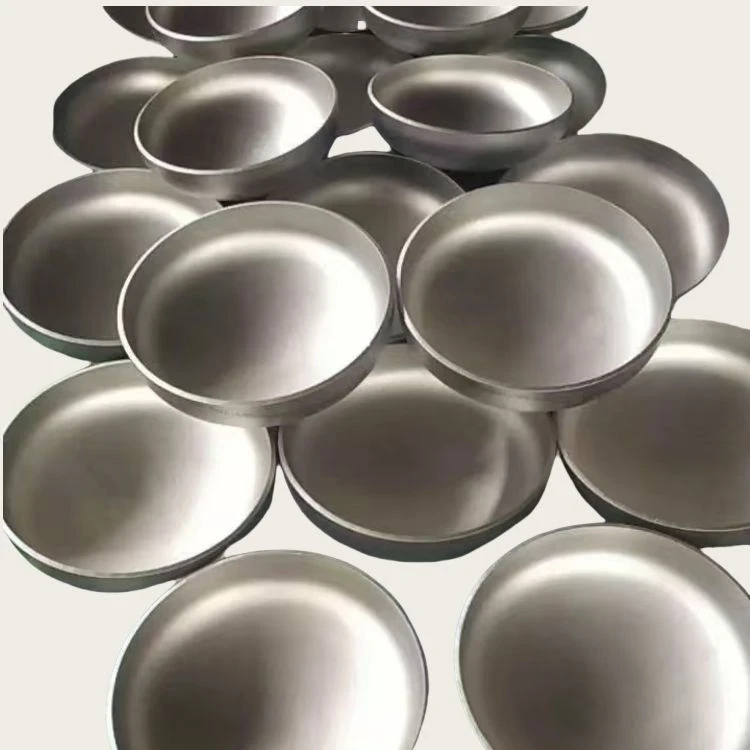
At our company, we take pride in producing high - quality Carbon Steel Caps. We use the latest manufacturing techniques and equipment to ensure that our caps are of the highest quality. Our caps are widely used in industries such as oil and gas, construction, and manufacturing.
We offer a wide range of carbon steel caps, including Carbon Steel Pipe End Caps, in different sizes and specifications to meet the diverse needs of our customers. Whether you need a small quantity for a DIY project or a large order for an industrial project, we've got you covered.
If you're in the market for carbon steel caps, don't hesitate to reach out to us. We're always happy to discuss your requirements and provide you with a competitive quote. Let's work together to find the perfect carbon steel caps for your project!
References
- ASME B16.9: Factory - Made Wrought Buttwelding Fittings
- ASTM A234: Standard Specification for Piping Fittings of Wrought Carbon Steel and Alloy Steel for Moderate and High - Temperature Service
So, that's the whole manufacturing process of carbon steel caps in a nutshell. I hope this blog has given you a better understanding of how these useful components are made. If you have any questions or need more information, feel free to contact us. We're here to help!