

The pressure rating of carbon steel pipe caps is a critical factor that determines their suitability for various industrial applications. As a leading supplier of carbon steel pipe caps, I understand the importance of providing our customers with accurate information about pressure ratings to ensure the safety and efficiency of their piping systems. In this blog post, I will delve into the concept of pressure rating, the factors that influence it, and how it relates to carbon steel pipe caps.
Understanding Pressure Rating
Pressure rating, also known as pressure class or pressure temperature rating, is a standardized measure that indicates the maximum pressure and temperature a pipe fitting, such as a pipe cap, can safely withstand. It is expressed in pounds per square inch (psi) or bars and is determined by a combination of factors, including the material of the fitting, its dimensions, and the manufacturing process.
The pressure rating of a pipe cap is crucial because it ensures that the fitting can handle the internal pressure of the fluid or gas flowing through the piping system without failing. If a pipe cap is subjected to pressures beyond its rated capacity, it can lead to leaks, ruptures, or other catastrophic failures, which can pose significant safety risks and result in costly downtime.
Factors Influencing Pressure Rating
Several factors influence the pressure rating of carbon steel pipe caps. Understanding these factors is essential for selecting the right pipe caps for your specific application.
Material Composition
Carbon steel is a widely used material for pipe caps due to its excellent strength, durability, and corrosion resistance. The carbon content in steel can vary, which affects its mechanical properties and, consequently, its pressure rating. Generally, higher carbon content results in increased strength but reduced ductility.
In addition to carbon, other alloying elements such as manganese, silicon, and sulfur can also be present in carbon steel. These elements can further enhance the material's properties, such as its toughness and weldability. The specific composition of the carbon steel used in the pipe caps will determine its pressure rating.
Wall Thickness
The wall thickness of a pipe cap is another critical factor that affects its pressure rating. A thicker wall provides more structural integrity and can withstand higher pressures. The wall thickness is typically specified in inches or millimeters and is determined based on the design requirements of the piping system.
When selecting a pipe cap, it is essential to choose one with a wall thickness that is appropriate for the operating pressure of the system. A pipe cap with a wall thickness that is too thin may not be able to handle the pressure, while one with a wall thickness that is too thick may be over-engineered and more expensive.
Manufacturing Process
The manufacturing process used to produce carbon steel pipe caps can also influence their pressure rating. There are several methods for manufacturing pipe caps, including forging, casting, and machining.
Forged pipe caps are typically stronger and more reliable than cast or machined caps because the forging process aligns the grain structure of the metal, resulting in improved mechanical properties. Cast pipe caps, on the other hand, are produced by pouring molten metal into a mold, which can result in a more porous structure and lower strength. Machined pipe caps are made by cutting and shaping a solid piece of metal, which can also affect their mechanical properties.
Design and Dimensions
The design and dimensions of a pipe cap can also impact its pressure rating. Pipe caps come in various shapes and sizes, including standard, beveled, and square caps. The shape and size of the cap will determine its surface area and the distribution of stress within the fitting.
In addition, the dimensions of the pipe cap, such as its diameter and length, will also affect its pressure rating. A larger diameter pipe cap will generally have a lower pressure rating than a smaller diameter cap because the larger surface area is subjected to more stress.

Pressure Rating Standards
To ensure the safety and reliability of piping systems, several standards organizations have developed pressure rating standards for pipe fittings, including carbon steel pipe caps. These standards provide guidelines for the design, manufacturing, and testing of pipe caps to ensure that they meet specific performance requirements.
One of the most widely recognized standards for pressure rating is the American National Standards Institute (ANSI) B16.5 standard, which covers pipe flanges and flanged fittings. This standard specifies the pressure-temperature ratings for various types of flanges and fittings, including pipe caps, based on the material, size, and class of the fitting.
Another important standard is the American Society of Mechanical Engineers (ASME) Boiler and Pressure Vessel Code, which provides regulations for the design, construction, and inspection of boilers, pressure vessels, and piping systems. This code includes specific requirements for the pressure rating of pipe fittings, including carbon steel pipe caps.

Pressure Rating and Application
The pressure rating of carbon steel pipe caps is directly related to their application. Different industries and applications have different pressure requirements, and it is essential to select pipe caps with a pressure rating that is appropriate for the specific application.
For example, in the oil and gas industry, pipe caps are often used in high-pressure applications, such as offshore drilling platforms and pipelines. In these applications, pipe caps with a high pressure rating are required to ensure the safety and reliability of the piping system.
In the chemical and petrochemical industries, pipe caps are used in corrosive environments, where the material of the pipe cap must be resistant to corrosion. In addition, the pressure rating of the pipe cap must be sufficient to handle the internal pressure of the chemical or petrochemical fluid flowing through the piping system.
In the water and wastewater treatment industry, pipe caps are used in low-pressure applications, such as plumbing systems and water distribution networks. In these applications, pipe caps with a lower pressure rating may be sufficient.
Our Carbon Steel Pipe Caps
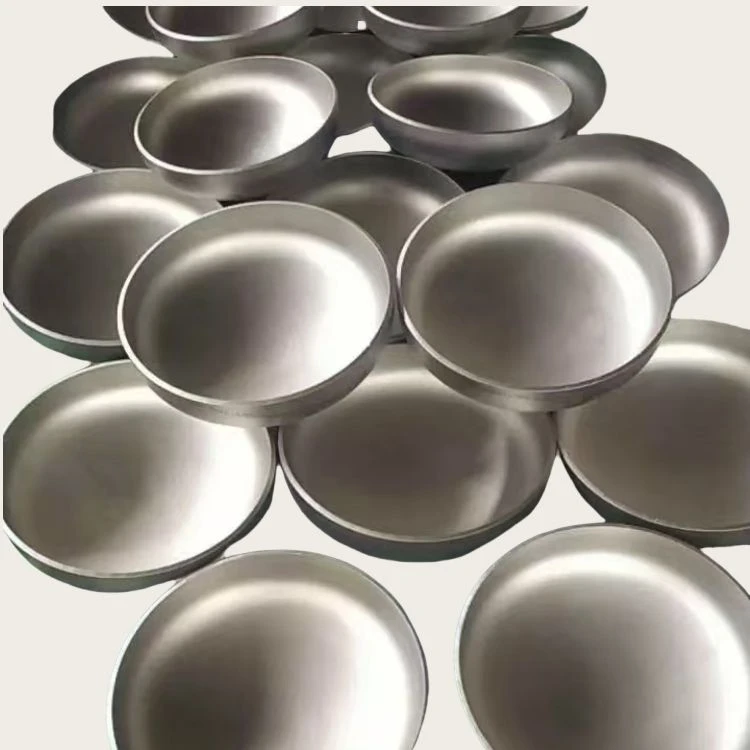
As a carbon steel pipe cap supplier, we offer a wide range of pipe caps with different pressure ratings to meet the needs of various industries and applications. Our Carbon Steel Caps are made from high-quality carbon steel and are available in various sizes, shapes, and wall thicknesses.
We also offer Carbon Steel Pipe End Caps and Carbon Steel Buttweld Caps that are designed to provide a reliable and leak-proof seal for your piping system. Our pipe caps are manufactured to meet or exceed the industry standards for pressure rating, ensuring the safety and efficiency of your piping system.
Conclusion
The pressure rating of carbon steel pipe caps is a critical factor that determines their suitability for various industrial applications. By understanding the factors that influence pressure rating and selecting pipe caps with a pressure rating that is appropriate for your specific application, you can ensure the safety and reliability of your piping system.
As a carbon steel pipe cap supplier, we are committed to providing our customers with high-quality pipe caps that meet their specific requirements. If you have any questions about the pressure rating of our pipe caps or need assistance in selecting the right pipe caps for your application, please contact us. We would be happy to help you with your procurement needs and discuss your project requirements.
References
- American National Standards Institute (ANSI) B16.5 - Pipe Flanges and Flanged Fittings
- American Society of Mechanical Engineers (ASME) Boiler and Pressure Vessel Code