

As a supplier of Carbon Steel Caps, I often encounter inquiries from customers regarding the compatibility of carbon steel caps with other materials. This is a crucial consideration in various industrial applications, where different materials are combined to form complex systems. In this blog post, I'll explore the compatibility of carbon steel caps with various materials, shedding light on the factors that influence compatibility and providing practical insights for engineers, contractors, and procurement professionals.
Understanding Carbon Steel Caps
Before delving into compatibility, it's essential to understand the characteristics of carbon steel caps. Carbon steel is an alloy of iron and carbon, with carbon content typically ranging from 0.05% to 2.0%. This alloy offers a unique combination of strength, ductility, and weldability, making it a popular choice for a wide range of applications, including pipeline systems.
Carbon steel caps are commonly used to seal the ends of pipes, tubes, or fittings, providing protection against corrosion, contamination, and leakage. Carbon Steel Buttweld Caps are a specific type of carbon steel cap that is welded onto the pipe end, ensuring a secure and tight seal. They are available in various sizes, shapes, and grades to meet the diverse requirements of different industries.
Compatibility with Other Metals
Stainless Steel
Stainless steel and carbon steel are both widely used in industrial applications. When it comes to compatibility, the main concern is the potential for galvanic corrosion. Galvanic corrosion occurs when two different metals are in contact in the presence of an electrolyte, such as water. In this case, stainless steel is more noble than carbon steel, which means it is less likely to corrode. As a result, when carbon steel caps are in contact with stainless steel pipes, the carbon steel may act as the anode and corrode preferentially.
To mitigate the risk of galvanic corrosion, it's important to use appropriate insulation or coatings between the two metals. For example, a non-conductive gasket can be used to separate the carbon steel cap from the stainless steel pipe, preventing direct electrical contact. Additionally, proper surface preparation and application of a corrosion-resistant coating on the carbon steel cap can provide an extra layer of protection.
Aluminum
When carbon steel caps are used in combination with aluminum components, similar galvanic corrosion issues can arise. Aluminum is more electrochemically active than carbon steel, so it will act as the anode and corrode if in direct contact with carbon steel in the presence of an electrolyte. However, compared to the combination of carbon steel and stainless steel, the potential for galvanic corrosion between carbon steel and aluminum is higher because of the greater difference in their electrochemical potentials.
To prevent galvanic corrosion, it's recommended to use insulating materials, such as plastic or rubber gaskets, to separate the carbon steel cap from the aluminum component. Also, anodizing the aluminum surface can provide a protective oxide layer, reducing the risk of corrosion.
Copper
Copper is more noble than carbon steel, which means that when they are in contact, the carbon steel will be more prone to corrosion. The contact between carbon steel caps and copper pipes can lead to galvanic corrosion, especially in the presence of moisture. To avoid this, it's advisable to use suitable insulating materials or coatings to isolate the two metals. For example, a layer of epoxy coating on the carbon steel cap can prevent direct contact with the copper pipe, thereby reducing the risk of corrosion.
Compatibility with Non - Metallic Materials
Plastics
Carbon steel caps are often used in conjunction with plastic pipes, such as PVC (Polyvinyl Chloride) or PE (Polyethylene). In general, carbon steel caps are compatible with plastics as long as the operating conditions are within the limits of both materials. For example, the temperature and pressure of the system should not exceed the maximum allowable values for the plastic pipe.
When connecting a carbon steel cap to a plastic pipe, appropriate fittings and sealing methods should be used. Mechanical couplings or adhesives can be used to join the carbon steel cap and the plastic pipe, ensuring a leak - free connection. It's also important to ensure that the plastic material is resistant to any chemicals or substances that may be present in the system.
Rubber
Rubber is commonly used as a sealing material in conjunction with carbon steel caps. Most types of rubber, such as nitrile rubber (NBR) or EPDM (Ethylene - Propylene - Diene Monomer), are compatible with carbon steel. Rubber seals can provide an effective barrier against leakage and can withstand a wide range of temperatures and pressures.
However, some chemicals may affect the rubber material. For example, oils and solvents can cause rubber to swell or deteriorate. Therefore, it's crucial to select the appropriate type of rubber based on the specific application and the chemicals present in the system.
Considerations in Different Applications
Oil and Gas Industry
In the oil and gas industry, carbon steel caps are widely used in pipelines and storage tanks. The compatibility of carbon steel caps with other materials is of utmost importance due to the harsh operating conditions, including high pressure, high temperature, and the presence of corrosive substances.
For example, in offshore oil and gas platforms, carbon steel caps are often used in combination with stainless steel pipes. To ensure long - term reliability, stringent corrosion prevention measures are required. In addition to using insulation materials and coatings, regular inspection and maintenance are necessary to detect and address any signs of corrosion or damage.
Water Treatment Plants
In water treatment plants, carbon steel caps may be used in combination with plastic pipes and rubber seals. The water in these plants may contain various chemicals, such as chlorine and lime, which can affect the compatibility of different materials. It's essential to select carbon steel caps and other materials that are resistant to these chemicals to ensure the proper functioning of the water treatment system.
Conclusion
In conclusion, the compatibility of carbon steel caps with other materials depends on various factors, including the type of materials, the operating conditions, and the presence of corrosive substances. While carbon steel caps offer many advantages, proper consideration should be given to their compatibility with other materials to avoid issues such as galvanic corrosion and leakage.

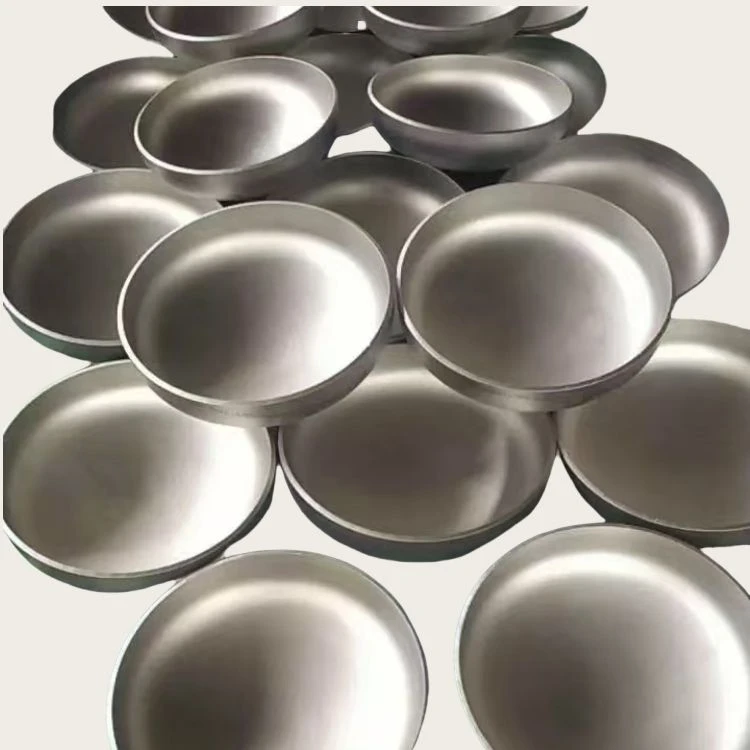
If you are considering using Carbon Steel Caps in your project or have any questions regarding their compatibility with other materials, I encourage you to reach out to our team. We have extensive experience in providing high - quality carbon steel caps and can offer professional advice to help you make the right decisions for your application. Whether you need Cap A234 or other types of carbon steel caps, we are committed to meeting your requirements and ensuring the success of your project.
References
- "Corrosion Basics" by NACE International
- "Materials Selection Guide for Engineering Applications" by ASM International
- "Pipeline Engineering Handbook" by John T. Fanning and Paul E. Marshall