

Are Carbon Steel Caps Easy to Transport?
As a supplier of Carbon Steel Caps, I've had my fair share of experiences when it comes to transporting these essential industrial components. In this blog post, I'll delve into the factors that determine whether carbon steel caps are easy to transport, exploring aspects such as their physical properties, packaging, regulatory requirements, and shipping options.
Physical Properties of Carbon Steel Caps
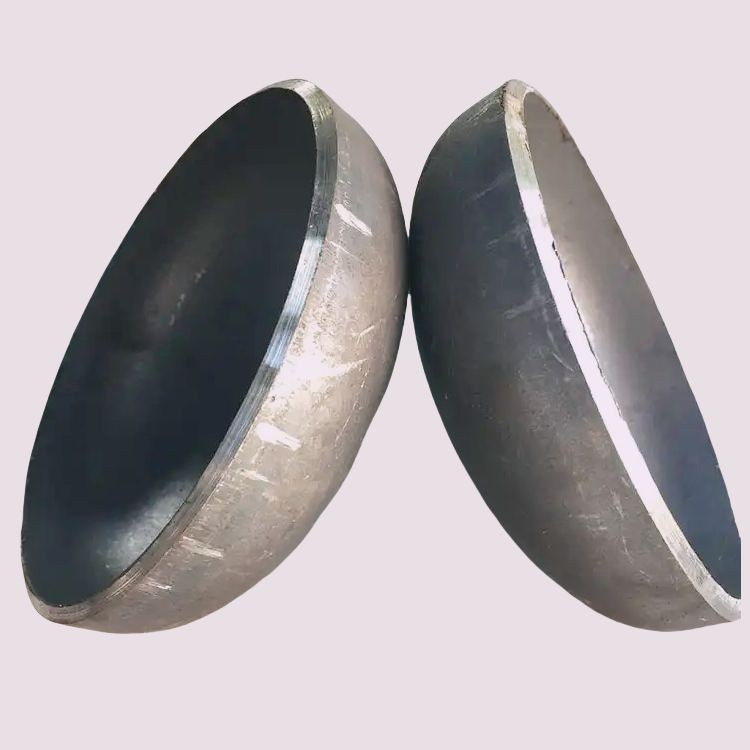
Carbon steel caps are typically made from carbon steel, a widely used material in the manufacturing industry due to its strength, durability, and affordability. These caps come in various sizes, shapes, and thicknesses, depending on their intended application. The physical properties of carbon steel caps play a crucial role in determining their transportability.
One of the key advantages of carbon steel caps is their relatively high strength-to-weight ratio. Compared to other materials such as stainless steel or aluminum, carbon steel caps are generally heavier but also stronger. This means that they can withstand the rigors of transportation without being easily damaged. However, the weight of carbon steel caps can also pose a challenge when it comes to shipping, especially for large quantities or long distances.
Another important physical property of carbon steel caps is their corrosion resistance. Carbon steel is prone to rusting when exposed to moisture and oxygen, which can compromise the integrity of the caps during transportation. To prevent corrosion, carbon steel caps are often coated with a protective layer such as paint, galvanization, or epoxy. These coatings not only enhance the appearance of the caps but also provide an additional layer of protection against corrosion during transit.
Packaging of Carbon Steel Caps
Proper packaging is essential for ensuring the safe transportation of carbon steel caps. The packaging should be designed to protect the caps from damage, corrosion, and contamination during transit. There are several factors to consider when choosing the appropriate packaging for carbon steel caps, including the size, shape, and quantity of the caps, as well as the mode of transportation.
For small quantities of carbon steel caps, individual packaging such as plastic bags or cardboard boxes may be sufficient. These packages can be labeled with the product information, including the size, material, and quantity of the caps, to facilitate easy identification and handling. For larger quantities of carbon steel caps, bulk packaging such as wooden crates or steel containers may be required. These packages provide additional protection against damage and can be stacked and secured during transportation.
In addition to protecting the caps from physical damage, the packaging should also be designed to prevent corrosion. As mentioned earlier, carbon steel is prone to rusting when exposed to moisture and oxygen. To prevent corrosion, the packaging should be sealed to prevent the entry of moisture and oxygen. Desiccants such as silica gel can also be added to the packaging to absorb any moisture that may be present.
Regulatory Requirements for Transporting Carbon Steel Caps
When transporting carbon steel caps, it's important to comply with all relevant regulatory requirements. These requirements may vary depending on the country of origin, the destination, and the mode of transportation. Some of the key regulatory requirements to consider when transporting carbon steel caps include:

- Customs Regulations: When transporting carbon steel caps across international borders, it's important to comply with the customs regulations of the destination country. This may include obtaining the necessary permits and documentation, paying any applicable duties and taxes, and complying with any import restrictions or prohibitions.
- Transportation Regulations: Different modes of transportation have their own set of regulations and requirements. For example, when transporting carbon steel caps by air, it's important to comply with the regulations of the International Air Transport Association (IATA), which include restrictions on the size, weight, and packaging of the cargo. When transporting carbon steel caps by sea, it's important to comply with the regulations of the International Maritime Organization (IMO), which include requirements for the safe handling and stowage of the cargo.
- Environmental Regulations: Carbon steel caps may be subject to environmental regulations, especially if they contain hazardous materials such as lead or mercury. It's important to ensure that the caps are transported in compliance with all relevant environmental regulations, including the proper disposal of any hazardous waste.
Shipping Options for Carbon Steel Caps
There are several shipping options available for transporting carbon steel caps, including air freight, sea freight, and land transportation. The choice of shipping option will depend on several factors, including the size, weight, and quantity of the caps, as well as the urgency of the delivery.
- Air Freight: Air freight is the fastest and most expensive shipping option for transporting carbon steel caps. It's ideal for small quantities of caps that need to be delivered quickly. Air freight is also suitable for transporting caps to remote locations or countries where sea freight is not available. However, air freight is subject to strict weight and size restrictions, and the cost of shipping can be prohibitively high for large quantities of caps.
- Sea Freight: Sea freight is the most common and cost-effective shipping option for transporting carbon steel caps. It's suitable for large quantities of caps that can be shipped in bulk. Sea freight is also more environmentally friendly than air freight, as it produces fewer emissions per ton of cargo. However, sea freight is slower than air freight, and the delivery time can be affected by factors such as weather conditions, port congestion, and customs clearance.
- Land Transportation: Land transportation is a convenient and cost-effective option for transporting carbon steel caps within a country or region. It's suitable for small to medium quantities of caps that can be transported by truck or train. Land transportation is also more flexible than air or sea freight, as it can be arranged to suit the specific needs of the customer. However, land transportation is subject to traffic congestion and road conditions, which can affect the delivery time.
Conclusion
In conclusion, whether carbon steel caps are easy to transport depends on several factors, including their physical properties, packaging, regulatory requirements, and shipping options. While carbon steel caps are generally strong and durable, their weight and susceptibility to corrosion can pose challenges when it comes to transportation. Proper packaging and compliance with regulatory requirements are essential for ensuring the safe and efficient transportation of carbon steel caps. By choosing the appropriate shipping option based on the size, weight, and quantity of the caps, as well as the urgency of the delivery, suppliers can minimize the risks and costs associated with transporting carbon steel caps.
If you're in the market for high-quality Carbon Steel Caps, Carbon Steel Pipe End Caps, or Mild Steel End Cap, please don't hesitate to contact us. We offer a wide range of carbon steel caps in various sizes, shapes, and thicknesses to meet your specific requirements. Our experienced team can provide you with expert advice and guidance on the best packaging and shipping options for your carbon steel caps. Let's start a conversation and explore how we can work together to meet your needs.
References
- "Carbon Steel: Properties, Grades, and Applications." The Balance Small Business.
- "Packaging and Shipping Guidelines for Industrial Products." Industrial Packaging Association.
- "Regulatory Requirements for International Shipping." International Chamber of Commerce.
- "Shipping Options for Industrial Goods." Logistics Management Magazine.