

Hey there! I'm a supplier of Mild Steel End Caps. And today, I'm gonna talk about whether mild steel end caps can be used for electrical applications.
First off, let's get to know mild steel a bit. Mild steel is a type of carbon steel with a relatively low carbon content, usually less than 0.3%. This gives it some great properties. It's strong, easy to shape, and cost - effective. You can find mild steel in all sorts of places, from construction sites to automotive parts.
Now, when it comes to electrical applications, there are a few things we need to consider. One of the most important factors is conductivity. Electrical conductivity is a measure of how easily an electric current can flow through a material. Metals are generally good conductors of electricity, but not all metals are created equal in this regard.
Mild steel does conduct electricity. But compared to some other metals commonly used in electrical applications, like copper and aluminum, its conductivity is pretty low. Copper is like the gold standard for electrical conductivity. It's used in most electrical wiring because it allows electricity to flow with very little resistance. Aluminum is also a popular choice, especially for high - voltage power lines, as it's lightweight and has decent conductivity.
So, why would anyone even think about using mild steel end caps for electrical applications? Well, there are a few scenarios where it might make sense.
One situation is in grounding systems. Grounding is crucial in electrical systems to protect against electrical faults and lightning strikes. A grounding system provides a path for electrical current to safely flow into the ground. Mild steel end caps can be used as part of a grounding electrode system. They can be attached to grounding rods or buried in the ground to increase the surface area in contact with the soil. This helps to improve the grounding performance by providing a better path for the electrical current to dissipate into the earth.
Another possible use is in some low - voltage or low - current electrical enclosures. For example, in a small control panel or a junction box, mild steel end caps can be used to close off the ends of pipes or conduits that house electrical wires. They can provide mechanical protection to the wires and prevent dust, dirt, and moisture from getting in. In these cases, the main function of the end caps is more about physical protection rather than electrical conductivity.
However, there are also some drawbacks to using mild steel end caps in electrical applications. One of the biggest issues is corrosion. Mild steel is prone to rusting when exposed to moisture and oxygen. In an electrical system, corrosion can cause a number of problems. It can increase the resistance at connection points, which can lead to overheating and potential electrical failures. To combat corrosion, mild steel end caps can be coated with a protective layer, such as zinc or paint. Galvanized mild steel end caps, which are coated with a layer of zinc, are more resistant to corrosion and can be a better option for long - term use in electrical applications.
Another consideration is the magnetic properties of mild steel. Mild steel is ferromagnetic, which means it can be magnetized. In some electrical applications, this can be a problem. For example, in high - frequency electrical circuits, magnetic materials can cause electromagnetic interference (EMI). EMI can disrupt the normal operation of electronic devices and lead to signal degradation. So, if you're dealing with high - frequency electrical systems, you might want to avoid using mild steel end caps.

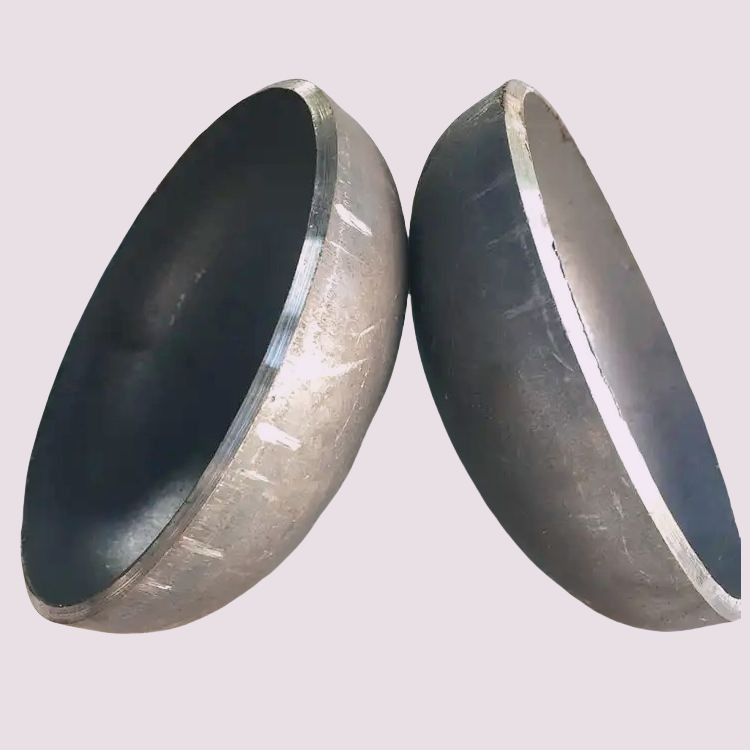
Now, let's talk about the types of mild steel end caps we offer. We have a wide range of Mild Steel End Cap sizes and shapes to meet different needs. Whether you need a small end cap for a thin electrical conduit or a large one for a heavy - duty pipe, we've got you covered.
Our mild steel end caps are made from high - quality materials and are manufactured to strict quality standards. We also offer different coating options to enhance their corrosion resistance. If you're looking for a more durable option, you might consider our Carbon Steel Buttweld Caps, which are designed for butt - welding applications and provide a strong and reliable connection. And if you need a more general - purpose carbon steel cap, our Carbon Steel Caps are a great choice.
In conclusion, mild steel end caps can be used for some electrical applications, but it's important to weigh the pros and cons. They can be a cost - effective and practical solution for grounding systems and low - voltage enclosures, but their low conductivity, corrosion susceptibility, and magnetic properties need to be carefully considered.
If you're interested in our mild steel end caps or have any questions about using them in your electrical applications, don't hesitate to reach out. We're here to help you find the right solution for your needs. Whether you're an electrical contractor, an engineer, or a DIY enthusiast, we can provide you with the high - quality products and expert advice you need.
References:
- "Electrical Conductivity of Metals" - A textbook on electrical engineering principles
- "Corrosion of Mild Steel in Electrical Environments" - A research paper on the effects of corrosion on mild steel in electrical systems
- "Magnetic Materials in Electrical Applications" - A technical report on the impact of magnetic materials in electrical circuits