

As a supplier of carbon steel pipe caps, I often get asked about how to evaluate the durability of these crucial components. Durability is a key factor when it comes to choosing the right pipe caps for any project, whether it's in construction, plumbing, or industrial applications. In this blog, I'll share some insights on how you can assess the durability of carbon steel pipe caps.
Material Quality
The first thing to consider is the quality of the carbon steel used in the pipe caps. Not all carbon steels are created equal. Higher - quality carbon steels have better mechanical properties, which directly affect the durability of the pipe caps.
One of the important aspects is the carbon content. Generally, carbon steel with a moderate carbon content (around 0.3% - 0.6%) offers a good balance between strength and ductility. If the carbon content is too low, the pipe cap may lack the necessary strength, making it more prone to deformation under pressure. On the other hand, if the carbon content is too high, the pipe cap can become brittle and more likely to crack.
You can check the material certificates provided by the supplier. These certificates usually contain information about the chemical composition of the carbon steel, including the carbon, manganese, sulfur, and phosphorus content. For instance, a low sulfur and phosphorus content is desirable as these elements can reduce the steel's ductility and increase the risk of corrosion.
Manufacturing Process
The way the carbon steel pipe caps are manufactured also plays a significant role in their durability. There are several common manufacturing methods, such as forging, casting, and machining.
Forged pipe caps are generally considered to be more durable. The forging process involves applying pressure to shape the steel at high temperatures. This process aligns the grain structure of the steel, making it stronger and more resistant to fatigue. Forged pipe caps can withstand higher pressures and stresses compared to cast or machined ones.
Casting, on the other hand, involves pouring molten steel into a mold. While it can be a cost - effective method, cast pipe caps may have some internal defects like porosity, which can weaken the structure and reduce durability. Machined pipe caps are made by cutting and shaping a solid piece of steel. They offer good dimensional accuracy, but their durability may be affected by the quality of the starting material and the machining process itself.
Surface Finish
The surface finish of the carbon steel pipe caps can impact their durability, especially in terms of corrosion resistance. A smooth and uniform surface finish can prevent the accumulation of dirt, moisture, and other corrosive substances.
One common surface treatment for carbon steel pipe caps is galvanizing. Galvanizing involves coating the steel with a layer of zinc, which acts as a sacrificial anode. The zinc corrodes first, protecting the underlying steel from rusting. Another option is painting or powder coating. These coatings can provide an additional barrier against corrosion, but they need to be properly applied and maintained.
You can visually inspect the surface of the pipe caps for any signs of roughness, scratches, or uneven coating. A rough surface can be a sign of poor manufacturing quality and may increase the risk of corrosion.
Coating Thickness
If the pipe caps have a coating for corrosion protection, the thickness of the coating is crucial. A thicker coating generally provides better protection, but it also needs to be applied evenly.
For galvanized pipe caps, the coating thickness is usually measured in grams per square meter (g/m²). A higher g/m² value indicates a thicker zinc coating. You can use non - destructive testing methods like magnetic induction or eddy current testing to measure the coating thickness. This ensures that the pipe caps meet the required standards for corrosion protection.
Heat Treatment
Heat treatment is another important factor in determining the durability of carbon steel pipe caps. Heat treatment can change the mechanical properties of the steel, such as hardness, strength, and ductility.
Quenching and tempering are two common heat treatment processes. Quenching involves rapidly cooling the steel from a high temperature, which increases its hardness. However, quenched steel can be very brittle. Tempering is then used to reduce the brittleness and improve the ductility of the steel.
The heat treatment process should be carefully controlled to achieve the desired properties. Improper heat treatment can lead to uneven hardness, residual stresses, and reduced durability. You can ask the supplier about the heat treatment process used for the pipe caps and whether they have been tested for hardness and other mechanical properties.
Pressure Rating
The pressure rating of the carbon steel pipe caps is an important indicator of their durability. It tells you the maximum pressure that the pipe caps can safely withstand without failing.
The pressure rating is determined by factors such as the material strength, wall thickness, and design of the pipe caps. You need to ensure that the pressure rating of the pipe caps is suitable for your application. For example, if you're using the pipe caps in a high - pressure pipeline, you should choose pipe caps with a high pressure rating.
You can refer to industry standards like ASME B16.9 or API 5L to determine the appropriate pressure rating for your pipe caps. These standards provide guidelines for the design, manufacturing, and testing of pipe fittings.
Corrosion Resistance
Corrosion is one of the biggest threats to the durability of carbon steel pipe caps, especially in harsh environments. There are different types of corrosion that can affect carbon steel, such as uniform corrosion, pitting corrosion, and crevice corrosion.
To evaluate the corrosion resistance of the pipe caps, you can conduct corrosion tests. One common test is the salt spray test. In this test, the pipe caps are exposed to a salt - water mist for a certain period of time. After the test, you can examine the surface of the pipe caps for signs of corrosion, such as rust spots or pitting.
The environment in which the pipe caps will be used also needs to be considered. For example, in a marine environment, the pipe caps will be exposed to saltwater, which is highly corrosive. In this case, you may need to choose pipe caps with a higher level of corrosion protection, such as those with a thick galvanized coating or made from corrosion - resistant alloys.
Fatigue Resistance
In applications where the pipe caps are subjected to repeated loading and unloading, fatigue resistance is an important consideration. Fatigue can cause cracks to develop in the steel over time, eventually leading to failure.
The fatigue resistance of carbon steel pipe caps depends on factors like the material properties, the manufacturing process, and the design. Forged pipe caps, with their aligned grain structure, generally have better fatigue resistance compared to cast or machined ones.
You can ask the supplier if the pipe caps have been tested for fatigue resistance. Some suppliers may conduct fatigue tests using specialized equipment to simulate real - world loading conditions.
Dimensional Accuracy
Proper dimensional accuracy is essential for the durability of carbon steel pipe caps. If the pipe caps don't fit properly, they can cause stress concentrations at the joints, which can lead to premature failure.
The dimensions of the pipe caps should match the specifications of the pipes they are intended to be used with. You can use measuring tools like calipers, micrometers, and gauges to check the dimensions of the pipe caps. Pay attention to the inner and outer diameters, wall thickness, and overall length.
Quality Assurance and Testing
A reliable supplier should have a quality assurance system in place to ensure the durability of the carbon steel pipe caps. This includes in - process inspection during manufacturing and final testing before shipment.
Common tests include hydrostatic testing, which involves filling the pipe caps with water and applying pressure to check for leaks. Ultrasonic testing can be used to detect internal defects in the steel, such as cracks or porosity. Magnetic particle testing is another option for detecting surface and near - surface defects.
You should ask the supplier about their quality control procedures and the types of tests they perform. A supplier that conducts comprehensive testing is more likely to provide durable pipe caps.
Conclusion
Evaluating the durability of carbon steel pipe caps requires a comprehensive approach. You need to consider factors such as material quality, manufacturing process, surface finish, coating thickness, heat treatment, pressure rating, corrosion resistance, fatigue resistance, dimensional accuracy, and quality assurance.
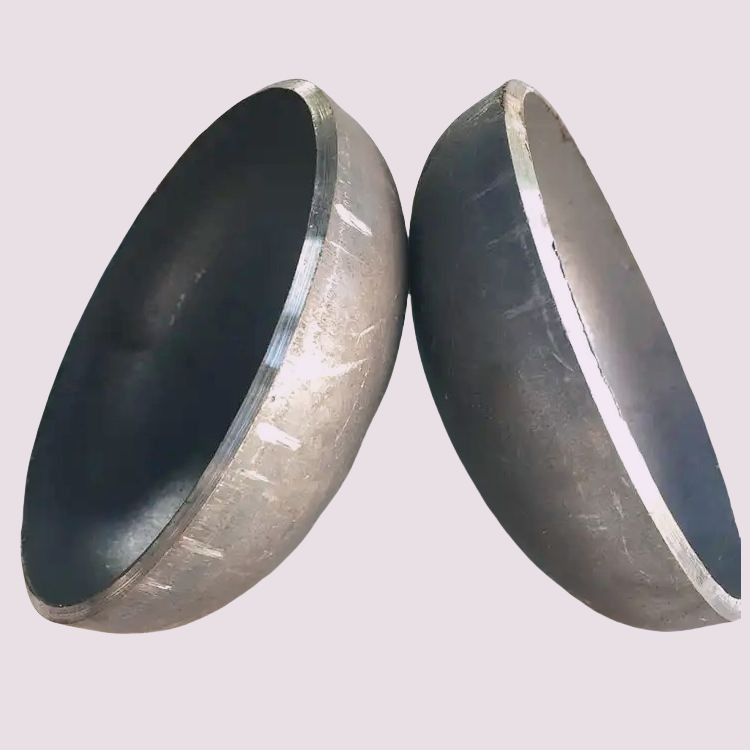

As a carbon steel pipe cap supplier, I understand the importance of providing high - quality and durable products. If you're in the market for carbon steel pipe caps, I encourage you to take the time to evaluate these factors. We offer a wide range of Mild Steel End Cap, Carbon Steel Pipe End Caps, and Carbon Steel Caps that are manufactured to the highest standards. If you have any questions or need further information, feel free to reach out to us for a procurement discussion.
References
- ASME B16.9 - Factory - Made Wrought Steel Buttwelding Fittings
- API 5L - Specification for Line Pipe
- Metals Handbook: Properties and Selection: Irons, Steels, and High - Performance Alloys