

Selecting the appropriate ASME tank head for a specific application is crucial for ensuring the safety, efficiency, and longevity of your pressure vessel. As an ASME Tank Heads supplier, I've seen firsthand how the right choice can make a world of difference. In this blog, I'll share some tips and insights to help you make an informed decision.
Understanding ASME Standards
First things first, it's important to understand what ASME standards are all about. The American Society of Mechanical Engineers (ASME) has developed a set of codes and standards for pressure vessels, including tank heads. These standards ensure that the equipment is designed, fabricated, and inspected to meet certain safety and quality requirements.
When you're looking for an ASME tank head, make sure it's stamped with the ASME certification mark. This indicates that the head has been manufactured in accordance with the relevant ASME codes. It's like a seal of approval that gives you peace of mind knowing that the product meets industry - recognized safety standards.
Types of ASME Tank Heads
There are several types of ASME tank heads available, each with its own unique characteristics and applications. Let's take a closer look at some of the most common ones:
ASME Flanged and Dished Head
The ASME Flanged and Dished Head is one of the most widely used types. It has a flanged edge that allows for easy connection to the shell of the pressure vessel. The dished shape helps to distribute the pressure evenly across the head, making it suitable for high - pressure applications. These heads are often used in industries such as oil and gas, chemical processing, and power generation.
ASME Torispherical Head
The ASME Torispherical Head is similar to the flanged and dished head, but it has a more rounded shape at the crown. This design reduces stress concentrations, which can be beneficial in applications where the vessel is subjected to cyclic loading. Torispherical heads are commonly used in storage tanks, boilers, and other pressure vessels.
ASME Ellipsoidal Head
Ellipsoidal heads have an elliptical shape, which provides excellent strength and pressure - resistance properties. They are often used in applications where the vessel needs to withstand high internal pressures. These heads are popular in the food and beverage industry, as well as in pharmaceutical manufacturing, where hygiene and cleanliness are of utmost importance.
Factors to Consider When Selecting an ASME Tank Head
Now that you know about the different types of ASME tank heads, let's talk about the factors you need to consider when making your selection:
Pressure Rating
The pressure rating of the tank head is one of the most important factors. You need to know the maximum pressure that the vessel will be subjected to during its operation. Make sure the head you choose has a pressure rating that is equal to or higher than the operating pressure of the vessel. This will ensure the safety of the vessel and prevent any potential failures.
Temperature
Temperature can also have a significant impact on the performance of the tank head. Different materials have different temperature limits, so you need to choose a head made from a material that can withstand the operating temperature of the vessel. For example, if the vessel will be used in a high - temperature environment, you might need to consider a head made from stainless steel or other heat - resistant materials.
Size and Dimensions
The size and dimensions of the tank head must match the requirements of the pressure vessel. You need to consider the diameter of the vessel, as well as the height and thickness of the head. A properly sized head will fit snugly onto the vessel, ensuring a leak - free connection.
Material
The choice of material for the tank head depends on several factors, including the type of fluid or gas that will be stored in the vessel, the operating temperature, and the pressure. Common materials used for ASME tank heads include carbon steel, stainless steel, and aluminum. Each material has its own advantages and disadvantages, so you need to choose the one that best suits your application.

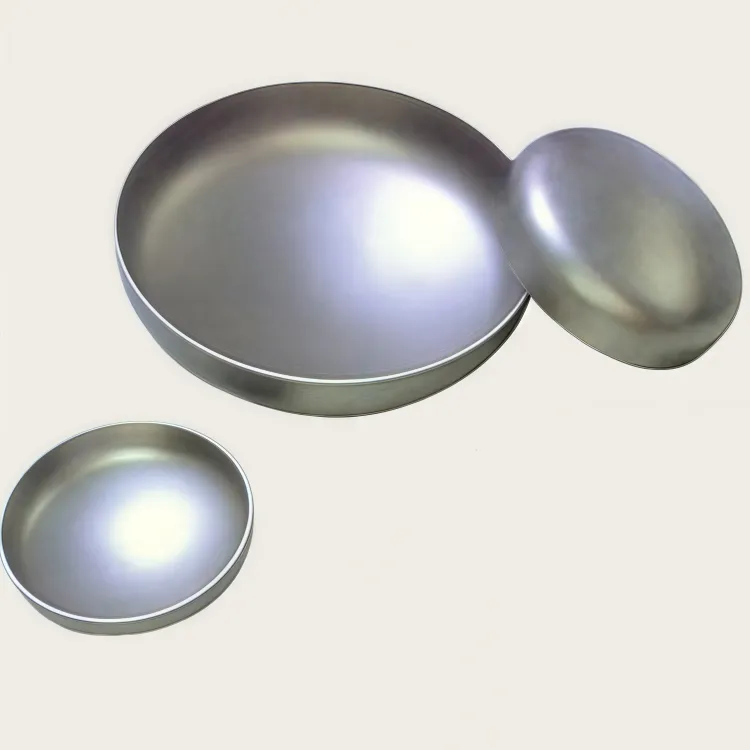
Corrosion Resistance
If the vessel will be used to store corrosive substances, such as acids or chemicals, you need to choose a tank head that has good corrosion - resistance properties. Stainless steel is a popular choice for these applications, as it is highly resistant to corrosion. You can also consider using coatings or linings to further enhance the corrosion resistance of the head.
Cost - Benefit Analysis
Of course, cost is always a factor when making any purchasing decision. While you don't want to compromise on quality and safety, you also want to get the best value for your money. When comparing different ASME tank heads, consider the initial cost of the head, as well as the long - term maintenance and operating costs. A more expensive head made from high - quality materials might save you money in the long run by reducing the need for frequent repairs and replacements.
Working with a Reliable Supplier
As an ASME Tank Heads supplier, I know how important it is to work with a reliable and experienced supplier. A good supplier will not only provide you with high - quality tank heads but also offer technical support and advice. They can help you select the right head for your application, answer any questions you might have, and ensure that the head is delivered on time.
When choosing a supplier, look for one that has a good reputation in the industry. Check their customer reviews and testimonials to see what other customers have to say about their products and services. Make sure the supplier is certified to manufacture ASME tank heads and that they follow strict quality control procedures.
Conclusion
Selecting the appropriate ASME tank head for a specific application is a complex process that requires careful consideration of several factors. By understanding the different types of tank heads, the ASME standards, and the factors that affect your selection, you can make an informed decision that will ensure the safety and efficiency of your pressure vessel.
If you're in the market for an ASME tank head, don't hesitate to reach out. As a trusted supplier, I can help you find the perfect head for your needs. Whether you need a ASME Pressure Vessel Heads for a high - pressure application or an ellipsoidal head for a hygienic environment, I've got you covered. Let's work together to ensure your pressure vessel operates at its best.
References
- ASME Boiler and Pressure Vessel Code. American Society of Mechanical Engineers.
- "Pressure Vessel Design Manual" by Dennis R. Moss.
- Industry publications on pressure vessel technology and applications.