

In the dynamic landscape of industrial components, carbon steel pipe caps play a pivotal role across various sectors. As a seasoned supplier of carbon steel pipe caps, I've witnessed firsthand the ever - evolving market demand and the factors influencing their availability. This blog post aims to delve into the intricacies of the market availability of carbon steel pipe caps, exploring the elements that shape it and offering insights for potential buyers.
Understanding Carbon Steel Pipe Caps
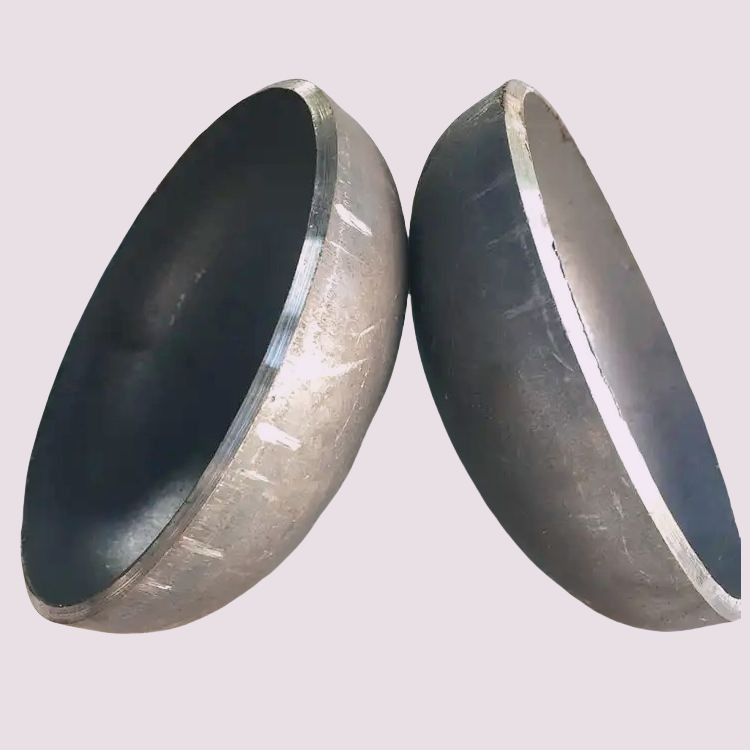
Before delving into market availability, it's essential to understand what carbon steel pipe caps are. Carbon steel pipe caps are used to close the ends of pipes, preventing the flow of fluids, protecting the interior of the pipe from contaminants, and maintaining pressure within the piping system. They come in different types, such as butt - weld caps, threaded caps, and socket - weld caps, each designed for specific applications and pipe connection methods.
Carbon steel, the primary material for these caps, is an alloy of iron and carbon, with small amounts of other elements. It is valued for its strength, durability, and relatively low cost compared to other materials like stainless steel. The carbon content in carbon steel can vary, which affects its properties, such as hardness and ductility. For instance, mild steel, a type of carbon steel with a low carbon content, is more malleable and easier to weld, making it suitable for a wide range of applications. You can find a variety of mild steel end caps on our website at Mild Steel End Cap.
Market Demand for Carbon Steel Pipe Caps
The availability of carbon steel pipe caps in the market is closely tied to the demand from various industries. One of the major consumers is the oil and gas industry. In this sector, pipes are used extensively for transporting crude oil, natural gas, and refined products. Carbon steel pipe caps are essential for sealing the ends of these pipes during installation, maintenance, and repair operations. With the continuous exploration and production activities in the oil and gas fields, the demand for high - quality carbon steel pipe caps remains consistently high.

The construction industry also significantly contributes to the demand. In building structures, carbon steel pipes are used for plumbing, HVAC (heating, ventilation, and air - conditioning) systems, and structural support. Pipe caps are required to ensure the proper functioning and safety of these systems. As the global construction market continues to grow, especially in emerging economies, the need for carbon steel pipe caps is expected to rise.
Another industry that relies on carbon steel pipe caps is the manufacturing sector. Manufacturers use pipes in their production processes, and pipe caps are necessary for controlling the flow of materials and protecting the pipes from damage. For example, in chemical manufacturing plants, pipes are used to transport various chemicals, and carbon steel pipe caps help prevent leaks and contamination.
Factors Affecting Availability
Raw Material Supply
The availability of carbon steel, the raw material for pipe caps, is a crucial factor. The production of carbon steel depends on the supply of iron ore, coal, and other alloying elements. Any disruptions in the mining or transportation of these raw materials can lead to shortages of carbon steel, which in turn affects the production of pipe caps. For example, natural disasters, labor strikes in mines, or geopolitical tensions in major iron - ore producing regions can cause fluctuations in the supply of raw materials.
Production Capacity
The production capacity of manufacturers also plays a vital role in the availability of carbon steel pipe caps. Manufacturers need to invest in advanced equipment and technology to produce high - quality pipe caps efficiently. However, increasing production capacity requires significant capital investment, and not all manufacturers may be able to expand their facilities quickly. Additionally, factors such as energy shortages, maintenance of production equipment, and skilled labor availability can limit the production capacity of manufacturers.
Market Competition
The level of competition in the market can impact availability. In a highly competitive market, manufacturers may try to increase their market share by offering competitive prices and faster delivery times. This can lead to an oversupply of carbon steel pipe caps in some cases. On the other hand, if a few large manufacturers dominate the market, they may control the supply and availability of pipe caps to maintain their profit margins.
Regulatory Requirements
Regulatory requirements in different regions can also affect the availability of carbon steel pipe caps. For example, some countries have strict standards for the quality and safety of industrial components, including pipe caps. Manufacturers need to comply with these regulations, which may require additional testing and certification. This can increase the production cost and time, potentially leading to shortages in the market if manufacturers are unable to meet the regulatory requirements in a timely manner.
Our Company's Role in Ensuring Availability
As a carbon steel pipe cap supplier, we understand the importance of ensuring a stable supply of our products. We have established long - term partnerships with reliable raw material suppliers to ensure a consistent supply of high - quality carbon steel. By working closely with our suppliers, we can monitor the raw material market and take proactive measures to mitigate any potential supply disruptions.
We have also invested in state - of - the - art production facilities and technology to increase our production capacity. Our production process is highly automated, which not only improves the efficiency but also ensures the consistency and quality of our pipe caps. We have a team of skilled engineers and technicians who are responsible for the maintenance and operation of our production equipment, minimizing the downtime due to equipment failures.
In addition, we are committed to complying with all relevant regulatory requirements. We have a dedicated quality control department that conducts rigorous testing and inspection of our products to ensure they meet the highest standards. This not only helps us to build a good reputation in the market but also enables us to supply our products to customers in different regions without any regulatory barriers.
You can explore our wide range of carbon steel pipe caps on our website. We offer Carbon Steel Pipe End Caps and Carbon Steel Caps in various sizes and specifications to meet the diverse needs of our customers.
Future Outlook
Looking ahead, the market for carbon steel pipe caps is expected to continue growing. The increasing demand from emerging industries, such as renewable energy (e.g., wind and solar power plants), is likely to drive the market further. In the renewable energy sector, pipes are used for various applications, including transporting heat transfer fluids and connecting different components of the power generation systems.
However, the market will also face challenges. The increasing focus on environmental sustainability may lead to stricter regulations on the production and use of carbon steel. Manufacturers will need to invest in more environmentally friendly production processes to reduce their carbon footprint. Additionally, the ongoing trade disputes and geopolitical uncertainties may continue to affect the supply of raw materials and the global market for carbon steel pipe caps.
Conclusion
The availability of carbon steel pipe caps in the market is influenced by a multitude of factors, including market demand, raw material supply, production capacity, competition, and regulatory requirements. As a supplier, we are committed to overcoming these challenges and ensuring a stable supply of high - quality carbon steel pipe caps to our customers.
If you are in the market for carbon steel pipe caps, we invite you to contact us for more information. Our team of experts is ready to assist you in finding the right products for your specific needs. We look forward to the opportunity to work with you and contribute to the success of your projects.
References
- ASME B16.11 - 2018, Forged Fittings, Socket - Weld and Threaded.
- API 5L - 2020, Specification for Line Pipe.
- ISO 4200:2004, Welded and seamless steel tubes - Dimensions and masses per unit length.