

Hey there! As a supplier of carbon steel caps, I often get asked about the differences between carbon steel caps and stainless steel caps. So, I thought I'd take a moment to break it down for you in a way that's easy to understand.
Composition and Basic Properties
Let's start with the basics. Carbon steel caps are mainly made of iron and carbon. The carbon content can vary, usually ranging from about 0.05% to 2.1%. This relatively simple composition gives carbon steel its characteristic strength and hardness. The more carbon it has, the stronger and harder it gets, but it also becomes a bit more brittle.
On the other hand, stainless steel caps are an alloy that contains iron, chromium (usually at least 10.5%), and often other elements like nickel, molybdenum, and manganese. The chromium in stainless steel forms a thin, invisible layer of chromium oxide on the surface. This layer acts as a shield, protecting the steel from corrosion and rust. That's why stainless steel is known for its excellent corrosion - resistance.
Appearance
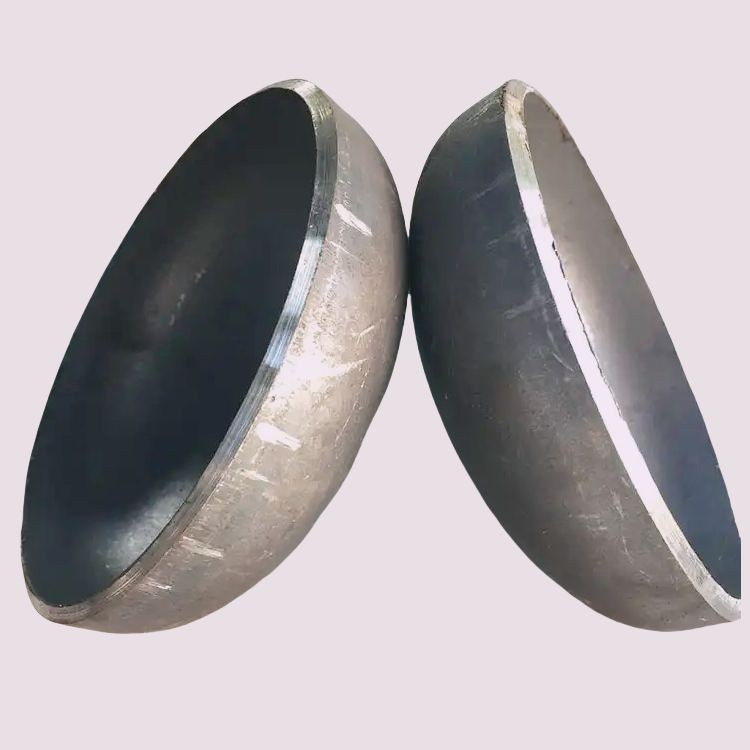
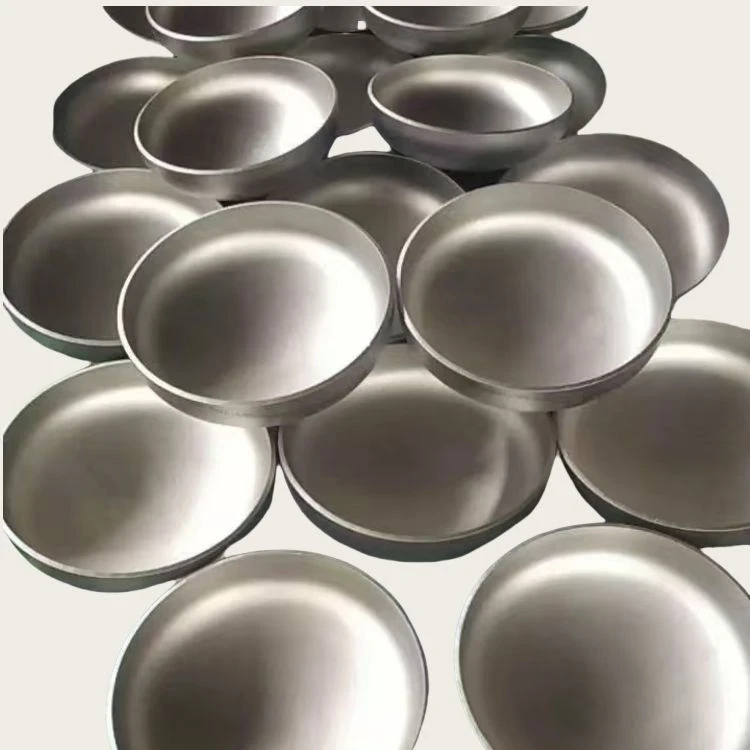
When it comes to looks, carbon steel caps typically have a dull, matte finish. They can sometimes have a bit of a rough texture, especially if they're not highly polished. In contrast, stainless steel caps usually have a shiny, reflective surface. They give off a sleek and modern look that can be quite appealing, especially in applications where aesthetics matter.
Strength and Durability
Carbon steel caps are known for their high strength. They can withstand a lot of pressure and heavy loads, which makes them a great choice for industrial applications where strength is crucial. For example, in oil and gas pipelines, carbon steel caps can handle the high - pressure flow of fluids without deforming easily.
However, carbon steel is more prone to corrosion compared to stainless steel. If it's exposed to moisture, oxygen, or certain chemicals, it can start to rust. This rust can weaken the cap over time and reduce its lifespan.
Stainless steel caps, while not as strong as high - carbon steel in terms of raw strength, still offer good durability. Their corrosion - resistant properties mean they can last a long time, even in harsh environments. For instance, in marine applications where the caps are constantly exposed to saltwater, stainless steel is the go - to choice because it won't rust like carbon steel would.
Cost
Cost is always an important factor in any purchasing decision. Carbon steel caps are generally more affordable than stainless steel caps. The raw materials for carbon steel are less expensive, and the manufacturing process is often simpler. This makes carbon steel a cost - effective option for large - scale projects where budget is a concern.
Stainless steel, on the other hand, is more expensive. The additional elements like chromium and nickel increase the cost of the raw materials, and the manufacturing process is more complex to ensure the proper alloy composition and corrosion - resistant properties.
Applications
Carbon steel caps have a wide range of applications. In the construction industry, they're used in building frameworks, bridges, and pipelines. They're also commonly used in the automotive industry for parts like axles and gears. If you're looking for specific types of carbon steel caps, you can check out Carbon Steel Buttweld Caps, Mild Steel End Cap, and Carbon Steel Pipe End Caps.
Stainless steel caps are often used in applications where corrosion resistance is a top priority. In the food and beverage industry, they're used in equipment like tanks and pipes because they won't contaminate the products. In the medical field, stainless steel caps are used in surgical instruments and medical devices for their hygienic and corrosion - resistant properties.
Machinability
Carbon steel is relatively easy to machine. It can be cut, drilled, and welded with standard tools and equipment. This makes it a popular choice for manufacturers who need to customize the caps according to specific requirements.
Stainless steel, however, is a bit more difficult to machine. Its high strength and work - hardening properties can cause the cutting tools to wear out faster. Specialized tools and techniques are often required to machine stainless steel caps effectively.
Maintenance
Maintaining carbon steel caps requires more effort. To prevent rust, they need to be coated with a protective layer, such as paint or a rust - inhibiting primer. Regular inspections are also necessary to check for signs of rust and damage.
Stainless steel caps, on the other hand, are low - maintenance. As long as they're not exposed to extremely harsh chemicals, they can be simply wiped clean with a mild detergent and water. Their corrosion - resistant nature means they don't require frequent protective coatings.
Conclusion
So, there you have it! The main differences between carbon steel caps and stainless steel caps come down to composition, appearance, strength, cost, applications, machinability, and maintenance. If you're on a tight budget and need high strength for non - corrosive environments, carbon steel caps are a great option. But if you're working in a corrosive environment and can afford the extra cost, stainless steel caps are the way to go.
If you're interested in purchasing carbon steel caps for your project, I'd love to have a chat with you. Whether you need a small quantity for a DIY project or a large order for an industrial application, I can provide you with high - quality carbon steel caps at competitive prices. Just reach out, and we can start discussing your specific requirements.
References
- "Metallurgy for Dummies" by John Wiley & Sons
- "Handbook of Stainless Steels" by ASM International