

Hey there! I'm a supplier of Carbon Steel Caps, and today I wanna chat about whether carbon steel caps are suitable for pharmaceutical pipelines. It's a question that comes up a lot in the industry, and there are quite a few factors to consider.
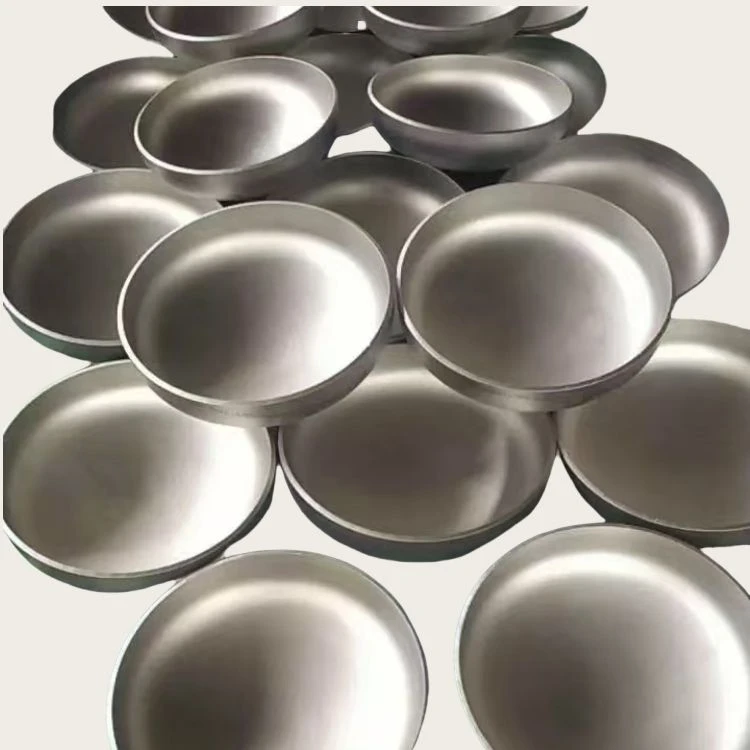
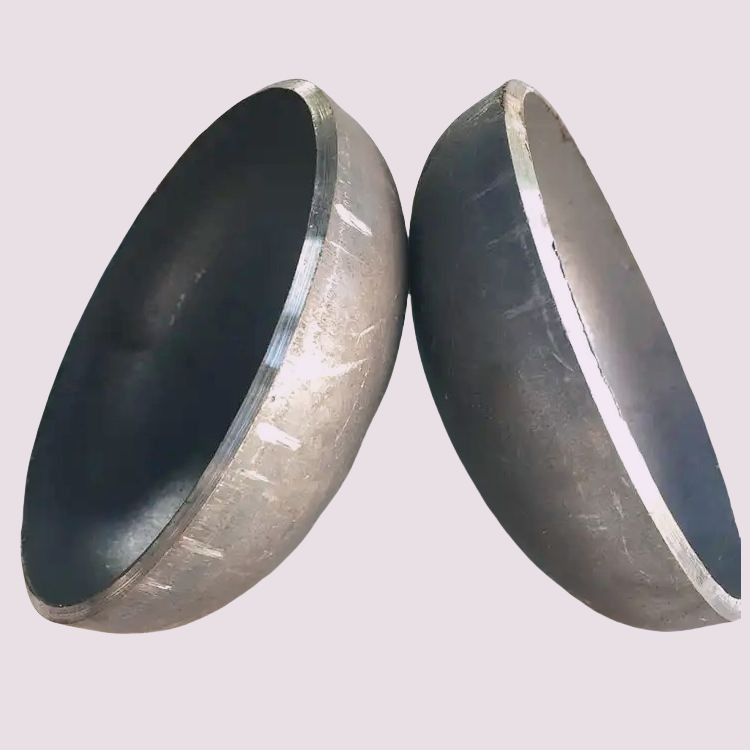
First off, let's talk about what carbon steel caps are. Carbon steel is a type of steel that contains carbon as the main alloying element. It's known for its strength, durability, and relatively low cost compared to some other materials. Carbon steel caps are used to seal the ends of pipes, preventing the leakage of fluids or gases and protecting the inside of the pipes from contaminants.
Now, when it comes to pharmaceutical pipelines, there are some strict requirements. The pharmaceutical industry has to adhere to high - quality and safety standards to ensure the purity and efficacy of drugs. One of the key concerns is the potential for corrosion. Corrosion can introduce contaminants into the pharmaceutical products, which is a big no - no.
Carbon steel has a tendency to corrode, especially in environments where there is moisture, oxygen, or certain chemicals. In pharmaceutical pipelines, the fluids being transported can be highly sensitive to any form of contamination. For example, water used in pharmaceutical manufacturing is often purified to a very high degree, and even a small amount of corrosion products from the pipeline can compromise the quality of the final product.
However, not all is lost. There are ways to mitigate the corrosion risk of carbon steel caps in pharmaceutical pipelines. One common approach is to use coatings. Special coatings can be applied to the surface of the carbon steel caps to create a barrier between the steel and the environment. These coatings can be made of materials like epoxy, which have good chemical resistance and can prevent the penetration of moisture and corrosive substances.
Another factor to consider is the type of carbon steel used. There are different grades of carbon steel, and some are more resistant to corrosion than others. For instance, low - carbon steel, also known as mild steel, is often used in many applications. You can check out our Mild Steel End Cap product page to learn more about the properties and uses of mild steel end caps.
In addition to corrosion resistance, the mechanical properties of carbon steel caps are also important. Pharmaceutical pipelines may be subject to various pressures, temperatures, and mechanical stresses during operation. Carbon steel caps need to be able to withstand these conditions without deforming or breaking. Our Carbon Steel Pipe End Caps are designed to have good mechanical strength, ensuring reliable performance in different pipeline systems.
When it comes to installation, proper installation is crucial for the performance of carbon steel caps in pharmaceutical pipelines. Any improper installation can lead to gaps or weak points, which can increase the risk of corrosion and leakage. It's important to follow the correct installation procedures and use the appropriate tools and techniques.
Buttweld carbon steel caps are another option. These caps are welded to the end of the pipe, providing a strong and permanent seal. They are often used in high - pressure or high - temperature applications. You can find more information about our Carbon Steel Buttweld Caps on our website.
Now, let's talk about the regulatory aspect. The pharmaceutical industry is highly regulated, and there are strict guidelines regarding the materials used in pipelines. Carbon steel caps need to comply with relevant regulations such as the United States Pharmacopeia (USP) and the European Pharmacopoeia (EP). These regulations set standards for the quality, purity, and safety of materials used in pharmaceutical manufacturing.
In some cases, carbon steel caps may need to undergo testing to prove their suitability for pharmaceutical pipelines. This can include tests for corrosion resistance, chemical compatibility, and the release of any potentially harmful substances.
Despite the challenges, carbon steel caps can still be a viable option for pharmaceutical pipelines in certain situations. For example, in non - critical parts of the pipeline system where the risk of contamination is relatively low, or in systems where proper corrosion prevention measures are in place, carbon steel caps can provide a cost - effective solution.
If you're in the pharmaceutical industry and considering using carbon steel caps for your pipelines, I'd encourage you to get in touch with us. We have a team of experts who can provide you with detailed information about our products, including their properties, performance, and compliance with industry standards. Whether you need mild steel end caps, carbon steel pipe end caps, or carbon steel butt weld caps, we've got you covered.
In conclusion, while carbon steel caps have some limitations when it comes to pharmaceutical pipelines due to the risk of corrosion, with proper selection, treatment, and installation, they can be used effectively. We're here to help you make the right choice for your pipeline needs. So, don't hesitate to reach out to us for more information and to start a discussion about your procurement requirements.
References
- American Society for Testing and Materials (ASTM) standards related to carbon steel
- United States Pharmacopeia (USP) guidelines for pharmaceutical materials
- European Pharmacopoeia (EP) regulations on pipeline materials