

Hey there! I'm an ASME elliptical head supplier, and today I wanna chat about the hygroscopic properties of ASME elliptical heads. You might be wondering, "What on earth are hygroscopic properties?" Well, let me break it down for you.
Hygroscopicity refers to the ability of a material to absorb and retain moisture from the surrounding environment. It's a pretty important factor when it comes to ASME elliptical heads, which are used in a variety of applications, like pressure vessels and storage tanks.
First off, let's talk about the materials commonly used to make ASME elliptical heads. These heads are typically made from metals like stainless steel, carbon steel, and alloy steel. Metals, in general, aren't known for being highly hygroscopic. Unlike materials like wood or some plastics, metals don't have a natural affinity for water molecules.
Stainless steel, for example, is a popular choice for ASME elliptical heads. It has a high resistance to corrosion, which is partly due to its low hygroscopic nature. The chromium in stainless steel forms a thin oxide layer on the surface, which acts as a barrier against moisture and prevents rusting. This means that stainless steel ASME elliptical heads can withstand exposure to humid environments without significant moisture absorption.
Carbon steel, on the other hand, is more prone to corrosion because it contains a higher percentage of carbon. When carbon steel is exposed to moisture, it can form iron oxide (rust). However, proper coatings and treatments can be applied to carbon steel ASME elliptical heads to reduce their hygroscopicity and protect them from corrosion.
Alloy steel is another option. Alloy steels are made by adding other elements like nickel, chromium, and molybdenum to carbon steel. These additional elements can enhance the steel's properties, including its resistance to moisture absorption. Alloy steel ASME elliptical heads can be designed to have specific hygroscopic characteristics depending on the intended application.
Now, why does the hygroscopicity of ASME elliptical heads matter? Well, moisture absorption can lead to several problems. One of the most obvious issues is corrosion. When a metal absorbs moisture, it can react with oxygen in the air to form rust. Rust weakens the metal and can compromise the structural integrity of the ASME elliptical head. This is a big deal, especially in applications where the head is used in a pressure vessel or storage tank. A corroded head could potentially fail, leading to leaks or even explosions.
Another problem is the effect of moisture on the surface finish of the ASME elliptical head. Moisture can cause discoloration and pitting, which can affect the aesthetics of the head. In some industries, like food and beverage or pharmaceuticals, the appearance of the equipment is important for hygiene and regulatory reasons.
So, how do we measure the hygroscopic properties of ASME elliptical heads? There are several methods. One common way is to use a moisture analyzer. This device measures the amount of moisture in a sample of the material. By taking samples from different parts of the ASME elliptical head, we can get an idea of how much moisture it is absorbing.
Another method is to conduct corrosion tests. These tests involve exposing the ASME elliptical head to a controlled environment with a specific level of humidity and measuring the rate of corrosion over time. This can help us determine the head's resistance to moisture-induced corrosion.
As a supplier, we take the hygroscopic properties of our ASME elliptical heads very seriously. We work closely with our customers to understand their specific needs and requirements. For example, if a customer is using the head in a high-humidity environment, we might recommend a stainless steel head with a special coating to enhance its moisture resistance.
We also ensure that our manufacturing processes are designed to minimize moisture absorption. This includes proper storage and handling of the raw materials, as well as using advanced coating and finishing techniques.
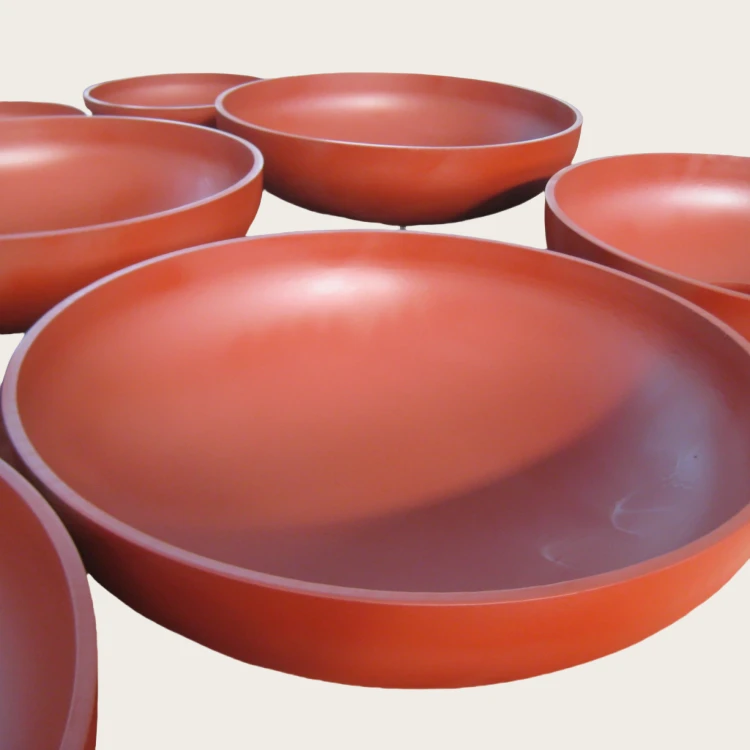
When it comes to the different types of ASME elliptical heads, they all have slightly different hygroscopic properties. For instance, the ASME Standard Tankhead is designed to meet specific industry standards. It's made from high-quality materials and is engineered to have a low hygroscopicity. This ensures that it can withstand the rigors of its intended application without being affected by moisture.
The 2 1 Ellipsoidal Head is another popular option. Its unique shape provides certain advantages in terms of stress distribution and structural integrity. From a hygroscopic perspective, it has similar properties to other ASME elliptical heads, but the specific design can influence how moisture interacts with the surface.
The Torispherical Head ASME is yet another type. It has a different geometry compared to the other heads, which can affect its hygroscopic behavior. The torispherical shape can create areas where moisture might accumulate more easily, so proper design and treatment are crucial to prevent corrosion.
In conclusion, the hygroscopic properties of ASME elliptical heads are an important consideration in their design, manufacturing, and application. As a supplier, we're committed to providing high-quality heads that have low hygroscopicity and excellent resistance to corrosion. If you're in the market for ASME elliptical heads and have questions about their hygroscopic properties or any other aspect, don't hesitate to reach out. We're here to help you find the right solution for your needs. Whether you're working on a small project or a large industrial application, we can provide the expertise and products you need. So, if you're interested in purchasing ASME elliptical heads, let's start a conversation and see how we can work together to meet your requirements.
References

- ASTM International. (Year). Standard test methods for determining moisture content in materials.
- ASME Boiler and Pressure Vessel Code. (Year). Section VIII, Division 1: Rules for construction of pressure vessels.