

In the contemporary industrial landscape, environmental friendliness has become a crucial consideration for businesses and consumers alike. As a supplier of Mild Steel End Caps, I often encounter inquiries regarding the environmental impact of these products. In this blog post, I aim to delve into the topic and explore whether mild steel end caps can be considered environmentally friendly.
Understanding Mild Steel End Caps
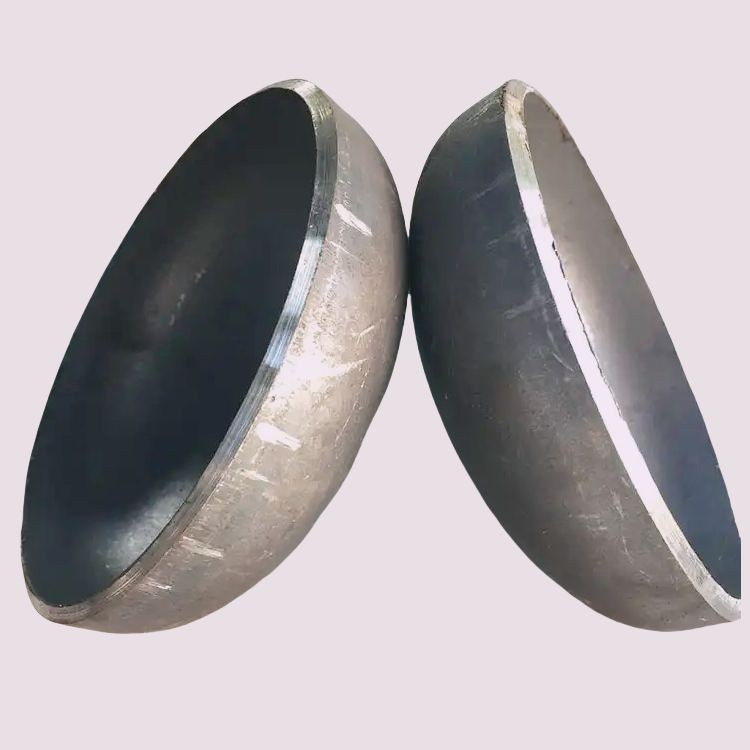
Before we assess their environmental friendliness, let's first understand what mild steel end caps are. Mild steel, also known as low - carbon steel, is a type of steel with a relatively low carbon content (typically less than 0.3%). It is widely used in various industries due to its affordability, malleability, and strength. Mild steel end caps are used to seal the ends of pipes, tubes, or other cylindrical objects, providing protection against dust, debris, and corrosion.
Raw Material Sourcing and Extraction
The environmental impact of mild steel end caps begins with the sourcing of raw materials. Iron ore, the primary raw material for steel production, is mined from the earth. Mining activities can have significant environmental consequences, including habitat destruction, soil erosion, and water pollution. However, the steel industry has made considerable progress in recent years to minimize these impacts.
Many steel producers now adhere to strict environmental regulations and best practices during the mining process. For example, they implement reclamation plans to restore mined areas to their natural state, and use advanced water treatment technologies to reduce water pollution. Additionally, the recycling of scrap steel has become an important part of the steel production process. Recycling scrap steel requires significantly less energy compared to producing steel from virgin iron ore. In fact, recycling steel can save up to 75% of the energy needed for primary steel production. This not only reduces energy consumption but also decreases the demand for new iron ore mining.
Manufacturing Process
The manufacturing of mild steel end caps involves several steps, including melting, forming, and finishing. Each of these steps has its own environmental implications.
Melting
The melting of steel requires a large amount of energy, typically sourced from fossil fuels such as coal and natural gas. This energy consumption contributes to greenhouse gas emissions, which are a major cause of climate change. However, modern steel mills are increasingly adopting energy - efficient technologies, such as electric arc furnaces (EAFs). EAFs use electricity to melt scrap steel, which is a more energy - efficient and environmentally friendly alternative to traditional blast furnaces.
Forming
The forming process, which includes forging, rolling, and machining, can generate waste materials such as metal shavings and off - cuts. These waste materials can be recycled back into the steel production process, reducing the overall waste generated. Moreover, advancements in manufacturing technologies have led to more precise forming processes, which minimize material waste.
Finishing
The finishing process, such as painting or coating, is often used to enhance the corrosion resistance of mild steel end caps. Some traditional coatings may contain harmful chemicals such as lead and chromium, which can pose environmental and health risks. However, there are now many eco - friendly coating options available, such as water - based paints and powder coatings. These coatings have lower volatile organic compound (VOC) emissions and are less toxic compared to traditional coatings.
Product Lifespan and Durability
One of the key factors in determining the environmental friendliness of a product is its lifespan. Mild steel end caps are known for their durability and long service life. They can withstand harsh environmental conditions, such as high temperatures, pressure, and corrosion. This means that they do not need to be replaced frequently, reducing the overall demand for new products.
A long - lasting product also means less waste generation over time. When mild steel end caps reach the end of their useful life, they can be recycled. As mentioned earlier, steel is one of the most recycled materials in the world. The high recyclability of mild steel end caps ensures that they can be re - used in the production of new steel products, further reducing the environmental impact.
Comparison with Other Materials
When evaluating the environmental friendliness of mild steel end caps, it is useful to compare them with other materials commonly used for end caps, such as plastic and aluminum.
Plastic End Caps
Plastic end caps are lightweight and inexpensive, but they have a relatively short lifespan and are not easily recyclable. Most plastics are derived from fossil fuels, and their production generates significant amounts of greenhouse gas emissions. Additionally, plastic waste is a major environmental problem, as it can take hundreds of years to decompose in the environment.
Aluminum End Caps
Aluminum is a lightweight and corrosion - resistant material. However, the production of aluminum requires a large amount of energy, and the extraction of bauxite (the primary raw material for aluminum) can have significant environmental impacts. Although aluminum is highly recyclable, the recycling process still requires energy.
In comparison, mild steel end caps offer a good balance between durability, cost - effectiveness, and recyclability.
End - of - Life Management
As mentioned earlier, mild steel end caps can be recycled at the end of their useful life. Recycling steel is a well - established process that has a relatively low environmental impact. When mild steel end caps are recycled, they are melted down and used to produce new steel products, such as Cap A234 or Carbon Steel Pipe End Caps.

Recycling not only conserves natural resources but also reduces the amount of waste sent to landfills. Landfills are a major source of methane emissions, a potent greenhouse gas. By recycling mild steel end caps, we can help to reduce these emissions and contribute to a more sustainable environment.
Conclusion
In conclusion, mild steel end caps can be considered environmentally friendly to a large extent. While the raw material sourcing and manufacturing processes have some environmental impacts, the steel industry has made significant progress in reducing these impacts through the adoption of sustainable practices and technologies. The durability and long service life of mild steel end caps, combined with their high recyclability, make them a more sustainable choice compared to many other materials.
As a supplier of mild steel end caps, I am committed to promoting sustainable practices throughout the supply chain. We work with our partners to ensure that our products are produced in an environmentally responsible manner. We also encourage our customers to recycle our products at the end of their useful life.
If you are interested in purchasing high - quality and environmentally friendly mild steel end caps, please feel free to contact us for more information and to discuss your specific requirements. We look forward to working with you to meet your needs while contributing to a more sustainable future.
References
- American Iron and Steel Institute. (2023). The Environmental Benefits of Steel Recycling.
- World Steel Association. (2023). Sustainability in the Steel Industry.
- Environmental Protection Agency. (2023). Recycling Basics.