

Hey there! I'm a supplier of ASME Standard Tankheads, and today I want to have a chat with you about whether these tankheads can be repaired.
First off, let's quickly introduce what ASME Standard Tankheads are. ASME, which stands for the American Society of Mechanical Engineers, sets really high - quality and safety standards for all sorts of pressure - containing equipment, including tankheads. You can check out more details about ASME Standard Tankhead. These tankheads come in different shapes like the 2 1 Ellipsoidal Head and Torispherical Head ASME. They're used in a whole bunch of industries, from chemical processing to food and beverage.
Now, the big question: Can they be repaired? The short answer is yes, but it's not as simple as just slapping on a patch.
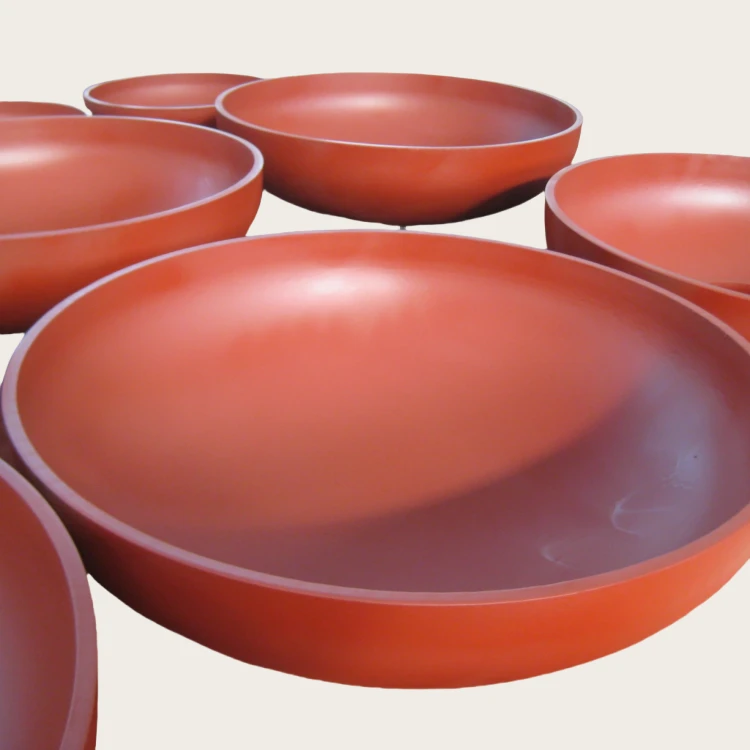

There are a few reasons why an ASME Standard Tankhead might need repair. One common issue is corrosion. Over time, especially in harsh chemical environments or areas with high humidity, the metal of the tankhead can start to corrode. This can weaken the structure and compromise the safety of the tank. Another reason could be mechanical damage. Maybe there was an accidental impact during installation or maintenance, or the tankhead has been subjected to excessive stress due to improper operation.
When it comes to the repair process, the first step is always a thorough inspection. You can't just start fixing something without knowing exactly what's wrong. A non - destructive testing method like ultrasonic testing or magnetic particle testing is often used. These methods can detect cracks, corrosion, and other hidden defects without damaging the tankhead. Once the problem areas are identified, the repair plan can be developed.
If the damage is minor, like a small surface crack or a bit of superficial corrosion, the repair might involve grinding and polishing. The damaged area is carefully ground down to remove the affected material, and then it's polished to restore a smooth surface. This can help prevent the crack from spreading and improve the overall integrity of the tankhead.
For more serious damage, like deep cracks or significant corrosion, welding might be required. But welding an ASME Standard Tankhead is no joke. It has to be done by a qualified welder who has the proper certifications. The welding process must follow strict ASME codes and procedures. This includes pre - heating the metal to the right temperature to prevent cracking during welding, using the correct welding materials, and post - weld heat treatment to relieve stress in the welded area.
However, there are limits to what can be repaired. If the damage is too extensive, it might not be feasible or safe to repair the tankhead. For example, if there are multiple large cracks or if the corrosion has penetrated too deeply into the metal, it could be better to replace the entire tankhead. This is because even after repair, the tankhead might not be able to meet the original ASME standards, which are there to ensure the safety and reliability of the equipment.
Another important thing to consider is documentation. Any repair work on an ASME Standard Tankhead must be properly documented. This includes records of the inspection, the repair method used, the materials used, and the qualifications of the people involved in the repair. This documentation is crucial for regulatory compliance and for future reference.
In some cases, getting the repair work approved by a third - party inspector is also necessary. This inspector will review the repair documentation and conduct a final inspection to make sure the tankhead meets all the ASME requirements. Only after getting this approval can the tankhead be put back into service.
So, as you can see, repairing an ASME Standard Tankhead is a complex process that requires expertise, proper equipment, and strict adherence to ASME codes. But it can be done, and in many cases, it can save a lot of money compared to replacing the entire tankhead.
If you're in the market for ASME Standard Tankheads or if you have a tankhead that needs repair, don't hesitate to reach out. We have a team of experts who can help you with everything from choosing the right tankhead for your application to providing professional repair services. Whether it's a 2 1 Ellipsoidal Head or a Torispherical Head ASME, we've got you covered.
In conclusion, while ASME Standard Tankheads can be repaired, it's a process that demands attention to detail and compliance with strict standards. But with the right approach and the right team, you can keep your tank in top - notch condition and avoid unnecessary replacements. So, if you have any questions or need further information, feel free to get in touch. We're here to help you make the best decisions for your tankhead needs.
References
- American Society of Mechanical Engineers (ASME) Boiler and Pressure Vessel Code
- Welding Handbook, American Welding Society