

As a supplier in the carbon steel pipe cap industry, I've encountered numerous inquiries from customers regarding the maintenance of carbon steel pipe caps. This topic is crucial as proper maintenance can significantly extend the lifespan and performance of these essential components. In this blog, I'll delve into whether carbon steel pipe caps need special maintenance, offering insights based on my industry experience.
Understanding Carbon Steel Pipe Caps
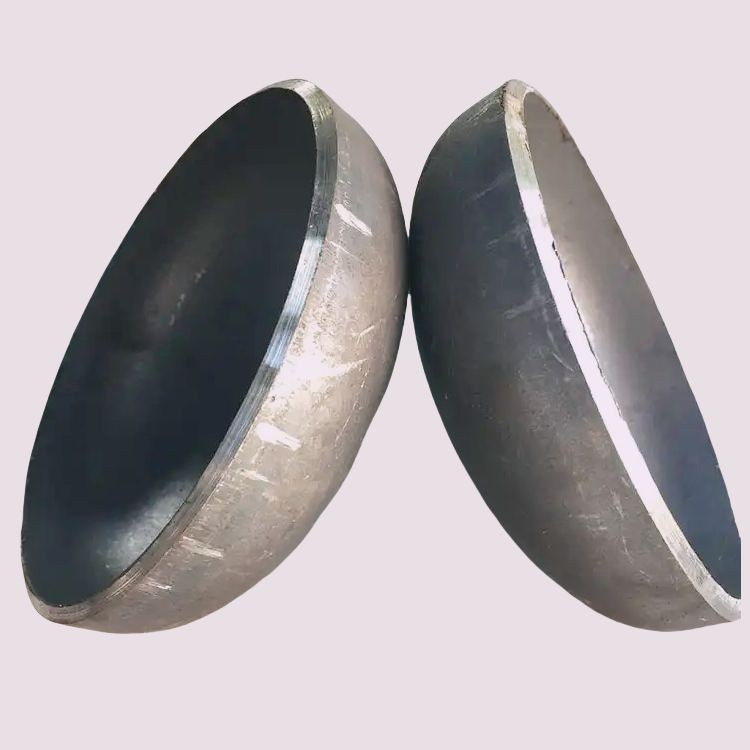
Carbon steel pipe caps are widely used in various industries, including oil and gas, construction, and manufacturing. They are designed to seal the ends of pipes, preventing the leakage of fluids or gases and protecting the pipe interiors from external contaminants. Carbon steel, known for its strength and durability, is a popular choice for pipe caps due to its relatively low cost and excellent mechanical properties.
There are different types of carbon steel pipe caps available in the market, such as Cap A234, Carbon Steel Buttweld Caps, and Mild Steel End Cap. Each type has its own specific applications and characteristics, but they all share the common requirement of proper care to ensure optimal performance.
Factors Affecting the Need for Maintenance
Whether carbon steel pipe caps need special maintenance depends on several factors, including the operating environment, the type of fluid or gas they are in contact with, and the frequency of use.
Operating Environment
The environment in which the pipe caps are installed plays a significant role in determining the need for maintenance. In harsh environments, such as those with high humidity, extreme temperatures, or exposure to corrosive substances, carbon steel pipe caps are more prone to corrosion and damage. For example, in coastal areas where the air contains salt particles, the pipe caps can corrode more quickly due to the electrochemical reaction between the salt and the steel. In such cases, special maintenance measures are necessary to prevent corrosion and ensure the long - term integrity of the pipe caps.
On the other hand, in a clean and dry indoor environment, the corrosion rate of carbon steel pipe caps is relatively low, and the need for special maintenance may be reduced. However, even in these ideal conditions, regular inspections are still recommended to detect any potential issues early.
Contact with Fluids or Gases
The type of fluid or gas that the pipe caps are in contact with also affects their maintenance requirements. If the pipe caps are used to seal pipes carrying corrosive chemicals, acids, or alkalis, they are at a higher risk of chemical corrosion. For instance, in a chemical processing plant, pipe caps exposed to strong acids need to be inspected regularly for signs of corrosion and may require special coatings or linings to protect them from chemical attack.
In contrast, if the pipe caps are used in a water - supply system with clean water, the corrosion risk is lower. However, the presence of dissolved oxygen, minerals, or microorganisms in the water can still cause some degree of corrosion over time, especially if the water has a high pH or temperature.
Frequency of Use
The frequency of use of the pipe caps can also impact their maintenance needs. Pipe caps that are frequently opened and closed or subjected to high - pressure fluctuations are more likely to experience wear and tear. For example, in a hydraulic system where the pressure changes rapidly, the pipe caps may be under stress, which can lead to fatigue cracking. In such cases, regular inspections and maintenance are required to ensure the safety and reliability of the pipe caps.
General Maintenance Practices
Although the need for special maintenance varies depending on the above factors, there are some general maintenance practices that can be applied to all carbon steel pipe caps.
Regular Inspections
Regular visual inspections are the first step in maintaining carbon steel pipe caps. Inspect the pipe caps for any signs of corrosion, such as rust spots, pitting, or discoloration. Check for cracks, dents, or deformation, which may indicate structural damage. Inspections should be carried out at regular intervals, and the frequency depends on the operating conditions. In a harsh environment, inspections may be required monthly or quarterly, while in a mild environment, annual inspections may be sufficient.
Cleaning
Cleaning the pipe caps is an important maintenance task. Remove any dirt, debris, or contaminants from the surface of the pipe caps using a soft brush or cloth. If the pipe caps are heavily soiled, a mild detergent or solvent can be used. However, make sure to rinse the pipe caps thoroughly with clean water after cleaning to prevent any residue from causing corrosion.
Lubrication
For pipe caps that have moving parts, such as threaded caps, lubrication is necessary to ensure smooth operation and prevent galling. Apply a suitable lubricant to the threads or moving parts according to the manufacturer's recommendations. This will reduce friction and wear, extending the lifespan of the pipe caps.
Special Maintenance for Harsh Conditions
In harsh operating conditions, additional maintenance measures may be required to protect carbon steel pipe caps from corrosion and damage.
Coating and Painting
Applying a protective coating or paint to the surface of the pipe caps is an effective way to prevent corrosion. There are various types of coatings available, such as epoxy coatings, zinc coatings, and polyurethane coatings. These coatings act as a barrier between the steel and the corrosive environment, reducing the risk of corrosion. The choice of coating depends on the specific operating conditions and the type of corrosion protection required.
Cathodic Protection
Cathodic protection is another method used to prevent corrosion of carbon steel pipe caps. This technique involves connecting the pipe caps to a sacrificial anode or an impressed current system. The sacrificial anode, usually made of a more reactive metal such as zinc or magnesium, corrodes preferentially, protecting the steel pipe caps from corrosion. In an impressed current system, an external power source is used to supply a small electric current to the pipe caps, which counteracts the corrosion process.
Conclusion
In conclusion, whether carbon steel pipe caps need special maintenance depends on a variety of factors, including the operating environment, the type of fluid or gas they are in contact with, and the frequency of use. While general maintenance practices such as regular inspections, cleaning, and lubrication are applicable to all pipe caps, special maintenance measures may be required in harsh conditions.

As a carbon steel pipe cap supplier, I recommend that customers carefully assess their specific needs and operating conditions to determine the appropriate maintenance plan for their pipe caps. By following these maintenance guidelines, customers can ensure the long - term performance and reliability of their carbon steel pipe caps, reducing the risk of costly repairs and replacements.
If you are interested in purchasing high - quality carbon steel pipe caps or need more information about their maintenance, please feel free to contact us. We are committed to providing you with the best products and services to meet your requirements.
References
- ASME B16.9 - Factory - Made Wrought Buttwelding Fittings
- ASTM A234 - Standard Specification for Piping Fittings of Wrought Carbon Steel and Alloy Steel for Moderate and High - Temperature Service
- NACE International - Corrosion Society Standards for Corrosion Prevention and Control