

When it comes to dish head forming, understanding the differences between horizontal and vertical dish head forming equipment is crucial for manufacturers and end - users alike. As a leading dish head forming equipment supplier, I've witnessed firsthand the unique characteristics and applications of both types of machinery. In this blog post, I'll delve into the key differences between horizontal and vertical dish head forming equipment, highlighting their respective advantages, limitations, and ideal use cases.
Structural Design
One of the most apparent differences between horizontal and vertical dish head forming equipment lies in their structural design. Horizontal dish head forming machines are typically laid out with the forming tools and the workpiece positioned horizontally. This design allows for easy loading and unloading of large and heavy workpieces, as the flat surface of the machine bed provides a stable base for the material. The horizontal orientation also facilitates the movement of the forming tools along the length of the workpiece, enabling continuous and efficient forming operations.
On the other hand, vertical dish head forming equipment features a vertical arrangement of the forming tools and the workpiece. This design is more compact and takes up less floor space compared to horizontal machines. The vertical orientation also provides better access to the top of the workpiece, which can be advantageous for certain forming processes that require precise control over the upper part of the dish head.

Forming Process
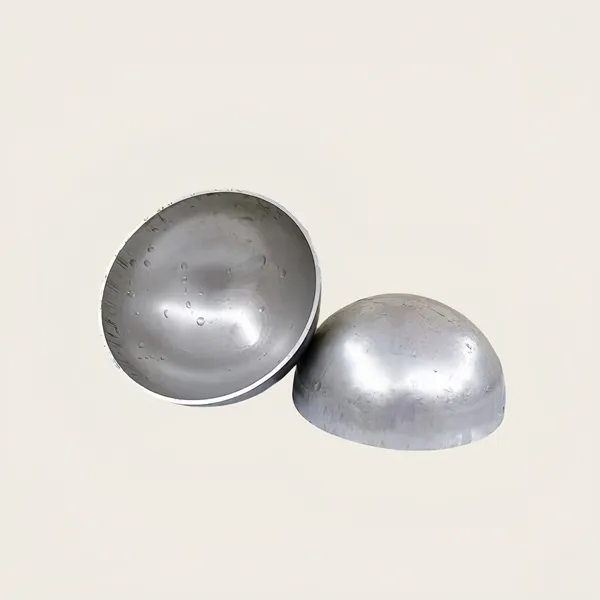
The forming process in horizontal and vertical dish head forming equipment also differs significantly. Horizontal machines often use a combination of rolling and pressing techniques to shape the dish head. The workpiece is placed on the machine bed, and the forming rolls gradually bend the edges of the material to create the desired curvature. This process is well - suited for forming large - diameter dish heads with relatively uniform thicknesses. The horizontal movement of the rolls allows for a smooth and continuous forming operation, reducing the risk of material deformation and improving the overall quality of the dish head.
Vertical dish head forming equipment, on the other hand, typically relies on a hydraulic or mechanical press to apply pressure to the workpiece. The press forces the material into a die, which shapes the dish head according to the desired specifications. This process is more suitable for forming complex shapes and dish heads with varying thicknesses. The vertical press provides high - pressure capabilities, allowing for the precise control of the forming process and the production of high - quality dish heads.
Material Handling
Material handling is another area where horizontal and vertical dish head forming equipment differ. Horizontal machines are better equipped to handle large and heavy workpieces due to their flat and stable machine beds. The horizontal orientation allows for easy loading and unloading of the material using cranes or other lifting devices. This makes horizontal machines ideal for mass production of large - diameter dish heads, such as those used in Pressure Vessel Hemispherical Dished End.
Vertical machines, however, may require more specialized material handling equipment. The vertical orientation of the workpiece can make it more challenging to load and unload, especially for larger and heavier materials. However, the compact design of vertical machines can be an advantage in situations where floor space is limited. Additionally, some vertical machines are equipped with automated material handling systems that can improve the efficiency of the forming process.
Precision and Accuracy
In terms of precision and accuracy, both horizontal and vertical dish head forming equipment have their strengths. Horizontal machines are known for their ability to produce dish heads with high dimensional accuracy, especially for large - diameter and relatively simple shapes. The continuous rolling process in horizontal machines allows for precise control over the curvature and thickness of the dish head.
Vertical machines, on the other hand, can achieve high levels of precision in forming complex shapes and dish heads with tight tolerances. The hydraulic or mechanical press in vertical machines provides a high - pressure force that can accurately shape the material according to the die specifications. This makes vertical machines suitable for applications that require high - precision dish heads, such as those used in Torispherical Dished Head.
Cost and Maintenance
Cost and maintenance are important considerations when choosing between horizontal and vertical dish head forming equipment. Horizontal machines are generally more expensive to purchase due to their larger size and more complex structural design. However, they may have lower operating costs in the long run, especially for high - volume production. The horizontal orientation of the machine also makes it easier to access and maintain the forming tools and other components.
Vertical machines are typically more affordable to purchase, making them a popular choice for small - to - medium - sized manufacturers. However, the specialized material handling equipment and the high - pressure hydraulic or mechanical systems in vertical machines may require more frequent maintenance and higher operating costs.
Ideal Use Cases
Horizontal dish head forming equipment is ideal for mass production of large - diameter dish heads with relatively simple shapes, such as those used in pressure vessels, storage tanks, and Steel Dish Heads. The horizontal design allows for efficient material handling and continuous forming operations, making it a cost - effective solution for high - volume production.
Vertical dish head forming equipment, on the other hand, is better suited for forming complex shapes, small - to - medium - sized dish heads, and dish heads with tight tolerances. The vertical orientation and high - pressure forming capabilities make it ideal for applications in industries such as aerospace, automotive, and high - precision manufacturing.
Conclusion
In conclusion, the choice between horizontal and vertical dish head forming equipment depends on a variety of factors, including the size and shape of the dish head, the production volume, the required precision, and the available floor space. As a dish head forming equipment supplier, I can help you evaluate your specific needs and recommend the most suitable equipment for your application.
If you're in the market for dish head forming equipment, I encourage you to contact us for a detailed consultation. Our team of experts can provide you with in - depth information about our products, assist you in choosing the right equipment, and support you throughout the purchasing process. Whether you need a horizontal or vertical dish head forming machine, we have the expertise and the products to meet your requirements.
References
- Industry reports on dish head forming technology
- Technical manuals of horizontal and vertical dish head forming equipment
- Case studies of dish head manufacturing in different industries