

As a trusted supplier of ASME Standard Tankheads, I've witnessed firsthand the critical role these components play in various industrial applications. One of the most important aspects that customers often inquire about is the impact resistance properties of these tankheads. In this blog post, I'll delve into the key factors that contribute to the impact resistance of ASME Standard Tankheads and why they are a reliable choice for your projects.
Understanding ASME Standard Tankheads
Before we explore the impact resistance properties, let's briefly understand what ASME Standard Tankheads are. The American Society of Mechanical Engineers (ASME) has established rigorous standards for the design, fabrication, and inspection of pressure vessels, including tankheads. These standards ensure that the tankheads meet the highest quality and safety requirements.
ASME Standard Tankheads come in various shapes and sizes, such as elliptical, hemispherical, and torispherical. Each shape has its own unique characteristics and is suitable for different applications. For example, 2 1 Ellipsoidal Head and ASME 2 1 Elliptical Head are popular choices due to their excellent structural integrity and pressure distribution capabilities.
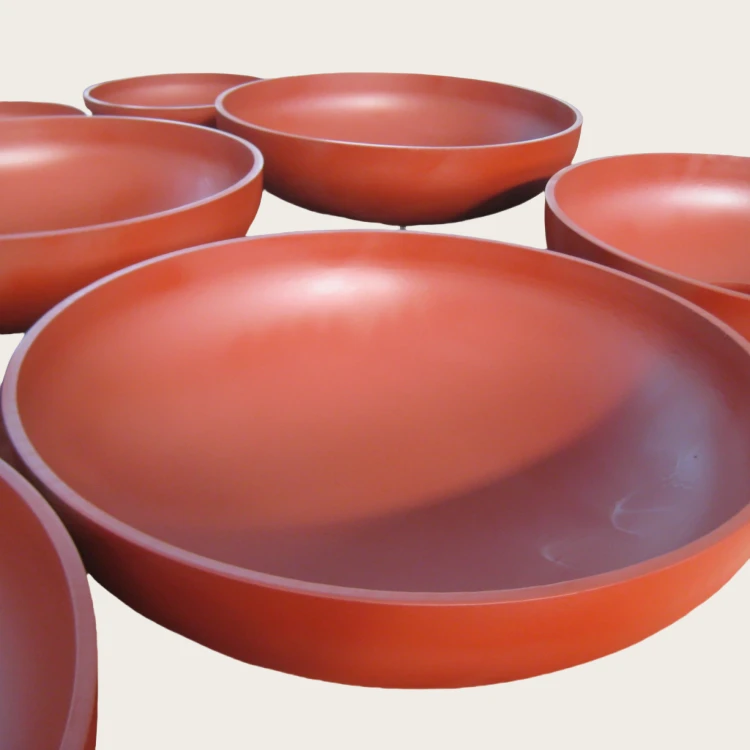

Factors Affecting Impact Resistance
Several factors contribute to the impact resistance of ASME Standard Tankheads. Understanding these factors can help you make an informed decision when selecting the right tankhead for your specific needs.
Material Selection
The choice of material is crucial in determining the impact resistance of tankheads. ASME Standard Tankheads are typically made from high-quality materials such as carbon steel, stainless steel, and alloy steel. Each material has its own unique properties that affect its impact resistance.
- Carbon Steel: Carbon steel is a common choice for tankheads due to its affordability and good mechanical properties. It has high strength and toughness, making it suitable for applications where impact resistance is important. However, carbon steel is susceptible to corrosion, so it may require additional protection in corrosive environments.
- Stainless Steel: Stainless steel is known for its excellent corrosion resistance and high strength. It contains chromium, which forms a protective oxide layer on the surface of the material, preventing corrosion. Stainless steel tankheads are often used in applications where hygiene and corrosion resistance are critical, such as food and beverage processing and pharmaceutical industries.
- Alloy Steel: Alloy steel is a combination of carbon steel and other alloying elements, such as nickel, chromium, and molybdenum. These alloying elements enhance the mechanical properties of the steel, including its impact resistance. Alloy steel tankheads are commonly used in high-pressure and high-temperature applications, such as oil and gas refineries and power plants.
Design and Manufacturing Process
The design and manufacturing process of ASME Standard Tankheads also play a significant role in their impact resistance. Proper design ensures that the tankhead can withstand the expected loads and stresses without failure.
- Shape and Geometry: The shape and geometry of the tankhead affect its stress distribution and load-carrying capacity. Elliptical and hemispherical tankheads are generally more efficient in distributing stress compared to torispherical tankheads. This is because they have a more uniform curvature, which reduces stress concentrations and improves the overall strength of the tankhead.
- Thickness and Reinforcement: The thickness of the tankhead is another important factor in determining its impact resistance. Thicker tankheads are generally more resistant to impact than thinner ones. In addition, reinforcement features such as stiffeners and ribs can be added to the tankhead to increase its strength and stiffness.
- Manufacturing Techniques: The manufacturing process used to produce the tankhead can also affect its impact resistance. ASME Standard Tankheads are typically manufactured using processes such as hot forming, cold forming, and welding. These processes must be carefully controlled to ensure that the tankhead meets the required quality standards.
Quality Control and Testing
Quality control and testing are essential to ensure that ASME Standard Tankheads meet the required impact resistance properties. Before the tankhead is shipped to the customer, it undergoes a series of tests to verify its quality and performance.
- Non-Destructive Testing (NDT): NDT techniques such as ultrasonic testing, radiographic testing, and magnetic particle testing are used to detect any internal defects or flaws in the tankhead. These tests help ensure that the tankhead is free from cracks, porosity, and other defects that could compromise its impact resistance.
- Mechanical Testing: Mechanical testing, such as tensile testing, hardness testing, and impact testing, is used to evaluate the mechanical properties of the tankhead. These tests help determine the strength, toughness, and ductility of the material, which are important factors in its impact resistance.
- Pressure Testing: Pressure testing is used to verify the integrity of the tankhead under pressure. The tankhead is filled with a fluid and pressurized to a specified level to ensure that it can withstand the expected operating pressures without leakage or failure.
Benefits of ASME Standard Tankheads
ASME Standard Tankheads offer several benefits in terms of impact resistance and overall performance. Here are some of the key advantages:
High Impact Resistance
ASME Standard Tankheads are designed and manufactured to meet strict quality standards, ensuring that they have high impact resistance. This makes them suitable for applications where the tankhead may be subjected to external impacts, such as in transportation, storage, and handling.
Reliability and Safety
The use of ASME Standard Tankheads provides a high level of reliability and safety. These tankheads are designed to withstand the expected loads and stresses without failure, reducing the risk of accidents and downtime. In addition, ASME standards require rigorous quality control and testing procedures, ensuring that the tankheads meet the highest safety requirements.
Compatibility and Interchangeability
ASME Standard Tankheads are designed to be compatible with other components of the pressure vessel system. This ensures that they can be easily integrated into existing systems or used in new installations. In addition, ASME standards provide a common framework for the design and manufacturing of tankheads, making them interchangeable with other ASME-compliant tankheads.
Long Service Life
ASME Standard Tankheads are made from high-quality materials and manufactured using advanced processes, ensuring that they have a long service life. This reduces the need for frequent replacements and maintenance, resulting in cost savings over the life of the pressure vessel system.
Conclusion
In conclusion, the impact resistance properties of ASME Standard Tankheads are influenced by several factors, including material selection, design and manufacturing process, and quality control and testing. These tankheads offer high impact resistance, reliability, safety, compatibility, and long service life, making them a preferred choice for various industrial applications.
If you're in the market for ASME Standard Tankheads, I encourage you to reach out to us for more information. Our team of experts can help you select the right tankhead for your specific needs and provide you with a competitive quote. We're committed to providing high-quality products and excellent customer service, and we look forward to working with you on your next project.
References
- American Society of Mechanical Engineers (ASME). Boiler and Pressure Vessel Code.
- Shigley, J. E., & Mischke, C. R. (2001). Mechanical Engineering Design. McGraw-Hill.
- Budynas, R. G., & Nisbett, J. K. (2011). Shigley's Mechanical Engineering Design. McGraw-Hill.