

What materials are commonly used for ASME dished heads?
Hey there! I'm a supplier of ASME dished heads, and I've been in this business for quite a while. One question I often get asked is, "What materials are commonly used for ASME dished heads?" Well, let's dive right into it.
First off, let's understand what ASME dished heads are. They're crucial components in pressure vessels, tanks, and other industrial equipment. The American Society of Mechanical Engineers (ASME) sets the standards for these heads to ensure safety and quality.
Carbon Steel
Carbon steel is one of the most widely used materials for ASME dished heads. It's popular because it's relatively inexpensive and has good mechanical properties. Carbon steel can handle high pressures and temperatures, making it suitable for a variety of applications. For example, in oil and gas refineries, carbon steel dished heads are used in storage tanks and processing vessels.
The main advantage of carbon steel is its strength. It can withstand heavy loads without deforming easily. However, it does have a drawback. Carbon steel is prone to corrosion, especially in environments with moisture or chemicals. To prevent this, manufacturers often apply coatings or use corrosion-resistant alloys.
Stainless Steel
Stainless steel is another top choice for ASME dished heads. It's known for its excellent corrosion resistance, which makes it ideal for applications where the head will be exposed to harsh chemicals or corrosive environments. For instance, in the food and beverage industry, stainless steel dished heads are used in tanks that store liquids like juices and dairy products.
There are different grades of stainless steel, such as 304 and 316. Grade 304 is the most common and is suitable for general-purpose applications. Grade 316, on the other hand, contains molybdenum, which gives it better resistance to pitting and crevice corrosion. This makes it a great option for marine and chemical processing applications.
The downside of stainless steel is its cost. It's more expensive than carbon steel, but the long-term benefits of corrosion resistance often outweigh the initial investment.
Alloy Steel
Alloy steel is a combination of carbon steel and other elements like chromium, nickel, and molybdenum. These additional elements enhance the properties of the steel, such as its strength, toughness, and heat resistance. Alloy steel dished heads are commonly used in high-temperature and high-pressure applications, such as power plants and petrochemical industries.
One of the advantages of alloy steel is its ability to maintain its strength at elevated temperatures. This makes it suitable for applications where the vessel will be exposed to extreme heat. However, like stainless steel, alloy steel can be more expensive than carbon steel.
Aluminum
Aluminum is a lightweight material that's also used for ASME dished heads. It's known for its excellent corrosion resistance, especially in environments with low pH levels. Aluminum dished heads are commonly used in the aerospace and automotive industries, where weight reduction is a key factor.
The main advantage of aluminum is its low density. It's much lighter than steel, which can reduce the overall weight of the equipment. This can lead to cost savings in transportation and installation. However, aluminum has lower strength compared to steel, so it may not be suitable for applications that require high strength.
Nickel Alloys
Nickel alloys are used in applications where the dished head needs to withstand extreme conditions, such as high temperatures, high pressures, and corrosive environments. These alloys are often used in the chemical processing, aerospace, and nuclear industries.
One of the most well-known nickel alloys is Inconel. It has excellent corrosion resistance and can maintain its strength at high temperatures. Another popular nickel alloy is Hastelloy, which is highly resistant to a wide range of chemicals.
The drawback of nickel alloys is their high cost. They're more expensive than other materials, but their unique properties make them essential for certain applications.
Conclusion
In conclusion, there are several materials commonly used for ASME dished heads, each with its own advantages and disadvantages. Carbon steel is strong and inexpensive but prone to corrosion. Stainless steel offers excellent corrosion resistance but is more costly. Alloy steel has enhanced properties for high-temperature applications. Aluminum is lightweight but has lower strength. Nickel alloys are suitable for extreme conditions but come with a high price tag.

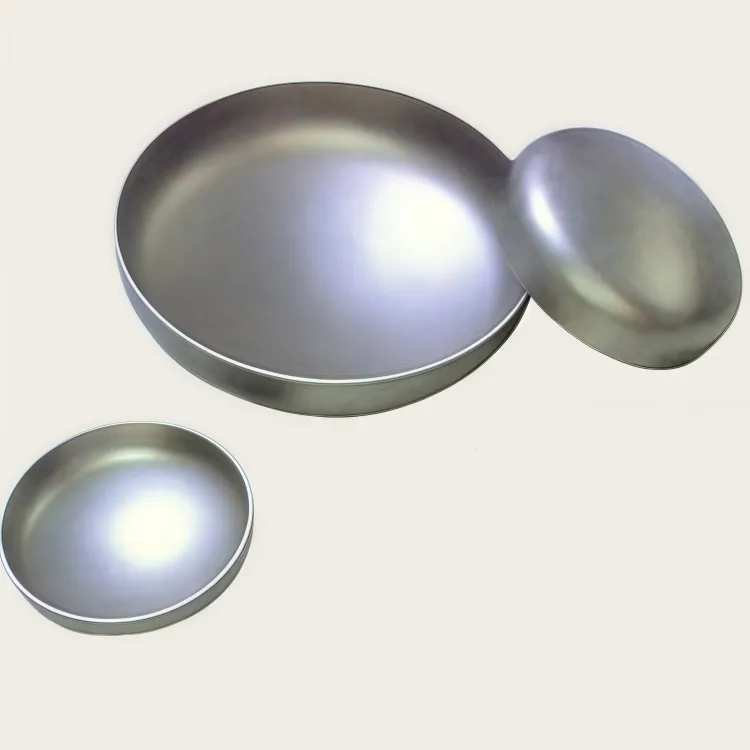
As a supplier of ASME dished heads, I can help you choose the right material for your specific application. Whether you need a head for a storage tank, a pressure vessel, or any other industrial equipment, I've got you covered.
If you're interested in purchasing ASME dished heads, feel free to reach out to me for a quote. I'm always happy to discuss your requirements and find the best solution for you. You can explore more about our products through these links: ASME Flanged and Dished Head, ASME Tank Heads, and ASME Code Heads for Pressure Vessels.
Let's work together to ensure your project gets the high-quality ASME dished heads it deserves!
References
- ASME Boiler and Pressure Vessel Code
- Material Science textbooks
- Industry reports on pressure vessel materials