

Hey there! As a supplier in the dish end fabrication business, I've seen firsthand the importance of proper packaging for fabricated dish ends. In this blog, I'll share with you the different packaging methods we use to ensure our products reach our customers in top - notch condition.
Why Packaging Matters
First off, let's talk about why packaging is such a big deal. Fabricated dish ends are often made from high - quality materials like steel, and they can be pretty hefty and valuable. During transportation, they're at risk of getting scratched, dented, or even seriously damaged. Good packaging acts as a shield, protecting these components from the bumps, vibrations, and environmental factors that they'll encounter on their journey.
Wooden Crates
One of the most common packaging methods we use is wooden crates. Wooden crates are sturdy and can be custom - made to fit the specific size and shape of the dish ends. We construct these crates using high - grade lumber that can withstand a fair amount of pressure.
We start by measuring the dish ends precisely. Then, we cut the wooden planks to the right dimensions and assemble them into a crate. The dish ends are carefully placed inside, and we use foam padding or other soft materials to fill any gaps. This padding helps to absorb shocks and prevents the dish ends from moving around during transit.
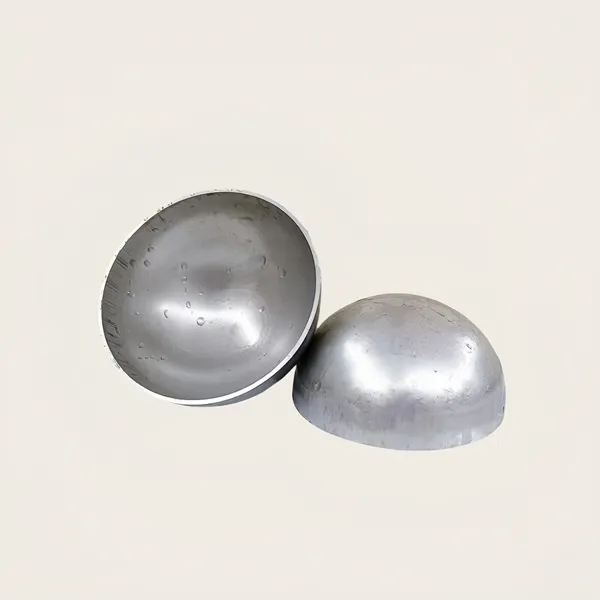

Wooden crates are great because they're relatively easy to handle. Forklifts can easily lift and move them, and they're also stackable. This means that we can transport a large number of dish ends in a relatively small space. You can check out our Steel Dish Heads which are often packaged in these wooden crates.
Steel Frames
For larger or heavier dish ends, we sometimes opt for steel frames. Steel frames offer a high level of strength and durability. They're designed to support the weight of the dish ends without deforming.
We fabricate the steel frames using strong steel beams. The dish ends are placed on the frames, and then we use steel straps or chains to secure them in place. This ensures that the dish ends stay firmly attached to the frame during transportation.
Steel frames are especially useful when the dish ends are going to be transported over long distances or in rough conditions. They can handle a lot of stress and are less likely to break compared to other packaging options. You can find more about our Pressure Vessel Hemispherical Dished End which might be packaged in steel frames for added protection.
Plastic Wrapping
In addition to crates and frames, we also use plastic wrapping as an extra layer of protection. Plastic wrapping helps to keep the dish ends clean and dry. It can prevent moisture from getting to the surface of the dish ends, which is important because moisture can cause rust and corrosion.
We use heavy - duty plastic films that are tough and resistant to tearing. The dish ends are wrapped tightly in the plastic, and we use heat - sealing techniques to ensure a secure seal. This creates a barrier that keeps out dust, dirt, and water.
Plastic wrapping is also useful for smaller dish ends or when we need to package multiple dish ends together. It's a cost - effective way to add an extra level of protection.
Foam Inserts
Foam inserts are another key part of our packaging strategy. These inserts are custom - cut to fit the contours of the dish ends. They're made from high - density foam that provides excellent cushioning.
When we place the dish ends in the packaging, the foam inserts go around them. They absorb the impact of any shocks or vibrations, reducing the risk of damage. Foam inserts are lightweight, which means they don't add too much extra weight to the overall package.
We often use foam inserts in combination with wooden crates or steel frames. They work together to provide a comprehensive protection system for our fabricated dish ends. You can take a look at our Hot Formed Tank Heads which are sometimes packaged with these foam inserts.
Labeling and Documentation
Once the dish ends are packaged, we don't forget about labeling and documentation. Each package is clearly labeled with information such as the product name, size, weight, and handling instructions. This helps the shipping company and the end - user to handle the package correctly.
We also include detailed documentation with each shipment. This documentation includes things like quality certificates, material specifications, and inspection reports. It gives our customers all the information they need about the dish ends they're receiving.
Quality Control
Before the packaged dish ends leave our facility, we conduct a final quality control check. We inspect the packaging to make sure it's intact and that the dish ends are properly secured. We also check the labeling and documentation to ensure everything is accurate.
This quality control step is crucial because it gives us and our customers peace of mind. We want to make sure that every dish end we send out is in perfect condition and that the packaging will protect it during transit.
Conclusion
So, there you have it - the different packaging methods we use for fabricated dish ends. Whether it's wooden crates, steel frames, plastic wrapping, foam inserts, or a combination of these, we take every step to ensure that our dish ends are well - protected.
If you're in the market for high - quality fabricated dish ends and want to know more about our packaging and products, don't hesitate to reach out. We're always happy to discuss your specific needs and help you find the right solution. Let's start a conversation and see how we can work together!
References
- Industry standards for packaging of fabricated metal products
- In - house experience and best practices developed over years of dish end fabrication and shipping