

What are the testing methods for ASME tank heads?
As a dedicated supplier of ASME tank heads, I understand the critical importance of rigorous testing to ensure the safety, reliability, and performance of these components. ASME (American Society of Mechanical Engineers) standards are widely recognized and adhered to in the industry, setting the benchmark for quality and compliance. In this blog post, I will delve into the various testing methods employed for ASME tank heads, shedding light on their significance and how they contribute to the overall integrity of pressure vessels.
Visual Inspection
Visual inspection is the most basic yet fundamental testing method for ASME tank heads. It involves a thorough examination of the surface of the tank head to detect any visible defects, such as cracks, porosity, scratches, or unevenness. This inspection is typically conducted using the naked eye or with the aid of magnifying glasses or microscopes. A trained inspector will carefully examine the entire surface of the tank head, including the welds, to ensure that there are no signs of damage or irregularities.
Visual inspection is crucial as it can identify obvious flaws that may compromise the structural integrity of the tank head. By detecting these defects early on, corrective actions can be taken to prevent potential failures and ensure the safety of the pressure vessel. Additionally, visual inspection can provide valuable information about the overall quality of the manufacturing process, allowing for continuous improvement and quality control.
Dimensional Inspection
Dimensional inspection is another essential testing method for ASME tank heads. It involves measuring the key dimensions of the tank head, such as the diameter, thickness, height, and radius, to ensure that they meet the specified requirements. This inspection is typically conducted using precision measuring tools, such as calipers, micrometers, and coordinate measuring machines (CMMs).
Accurate dimensional control is critical for the proper functioning of ASME tank heads. Any deviations from the specified dimensions can affect the fit and performance of the tank head, leading to potential leaks, stress concentrations, or other issues. By conducting dimensional inspections, we can ensure that the tank heads are manufactured to the exact specifications, providing a reliable and safe solution for pressure vessels.
Non-Destructive Testing (NDT)
Non-destructive testing (NDT) methods are used to detect internal defects in ASME tank heads without causing any damage to the component. These methods are particularly useful for identifying defects that are not visible to the naked eye, such as cracks, voids, or inclusions. Some of the commonly used NDT methods for ASME tank heads include:
- Ultrasonic Testing (UT): Ultrasonic testing involves the use of high-frequency sound waves to detect internal defects in the tank head. A transducer is used to send ultrasonic waves into the material, and any reflections or echoes from the defects are detected and analyzed. UT is a highly sensitive method that can detect small defects and provide information about their size, location, and orientation.
- Radiographic Testing (RT): Radiographic testing involves the use of X-rays or gamma rays to create an image of the internal structure of the tank head. A film or digital detector is placed on the opposite side of the material, and the X-rays or gamma rays pass through the material, creating an image of the internal defects. RT is a powerful method that can detect a wide range of defects, including cracks, voids, and inclusions.
- Magnetic Particle Testing (MT): Magnetic particle testing is used to detect surface and near-surface defects in ferromagnetic materials, such as carbon steel. A magnetic field is applied to the tank head, and magnetic particles are sprayed on the surface. Any defects in the material will disrupt the magnetic field, causing the magnetic particles to accumulate at the defect site, making it visible to the inspector.
- Liquid Penetrant Testing (PT): Liquid penetrant testing is used to detect surface defects in non-porous materials, such as stainless steel. A liquid penetrant is applied to the surface of the tank head, and it seeps into any surface defects. After a specified dwell time, the excess penetrant is removed, and a developer is applied. The developer draws the penetrant out of the defects, making them visible as bright indications on the surface.
Non-destructive testing methods are essential for ensuring the integrity of ASME tank heads. By detecting internal defects early on, we can prevent potential failures and ensure the safety of the pressure vessel. These methods are also non-invasive, allowing for the continued use of the tank head after testing.
Pressure Testing
Pressure testing is a critical testing method for ASME tank heads to ensure their ability to withstand the specified operating pressure. This test involves subjecting the tank head to a pressure higher than its design pressure for a specified period to check for any leaks or deformations. There are two main types of pressure testing: hydrostatic testing and pneumatic testing.
- Hydrostatic Testing: Hydrostatic testing involves filling the tank head with a liquid, typically water, and pressurizing it to the specified test pressure. The test pressure is usually higher than the design pressure to ensure that the tank head can safely withstand the operating pressure. The tank head is then held at the test pressure for a specified period, typically 30 minutes to 1 hour, while being carefully monitored for any signs of leaks or deformations.
- Pneumatic Testing: Pneumatic testing involves filling the tank head with a gas, typically air or nitrogen, and pressurizing it to the specified test pressure. Pneumatic testing is generally not preferred over hydrostatic testing due to the higher risk of explosion associated with compressed gases. However, it may be used in certain applications where hydrostatic testing is not practical, such as in cases where the tank head is too large or heavy to be filled with water.
Pressure testing is a crucial step in the manufacturing process of ASME tank heads. It ensures that the tank head can safely withstand the operating pressure without any leaks or deformations, providing a reliable and safe solution for pressure vessels.
Materials Testing
Materials testing is an important aspect of ensuring the quality and performance of ASME tank heads. It involves analyzing the chemical composition and mechanical properties of the materials used in the manufacturing process to ensure that they meet the specified requirements. Some of the commonly used materials testing methods include:
- Chemical Analysis: Chemical analysis is used to determine the chemical composition of the materials used in the tank head. This analysis can be performed using various techniques, such as spectroscopy or wet chemical analysis. By ensuring that the materials have the correct chemical composition, we can ensure that they have the desired mechanical properties and corrosion resistance.
- Mechanical Testing: Mechanical testing is used to evaluate the mechanical properties of the materials, such as tensile strength, yield strength, elongation, and hardness. This testing can be performed using various methods, such as tensile testing, compression testing, and hardness testing. By ensuring that the materials have the required mechanical properties, we can ensure that the tank head can withstand the operating conditions without any failures.
Materials testing is essential for ensuring the quality and performance of ASME tank heads. By using high-quality materials and conducting rigorous testing, we can ensure that the tank heads meet the specified requirements and provide a reliable and safe solution for pressure vessels.

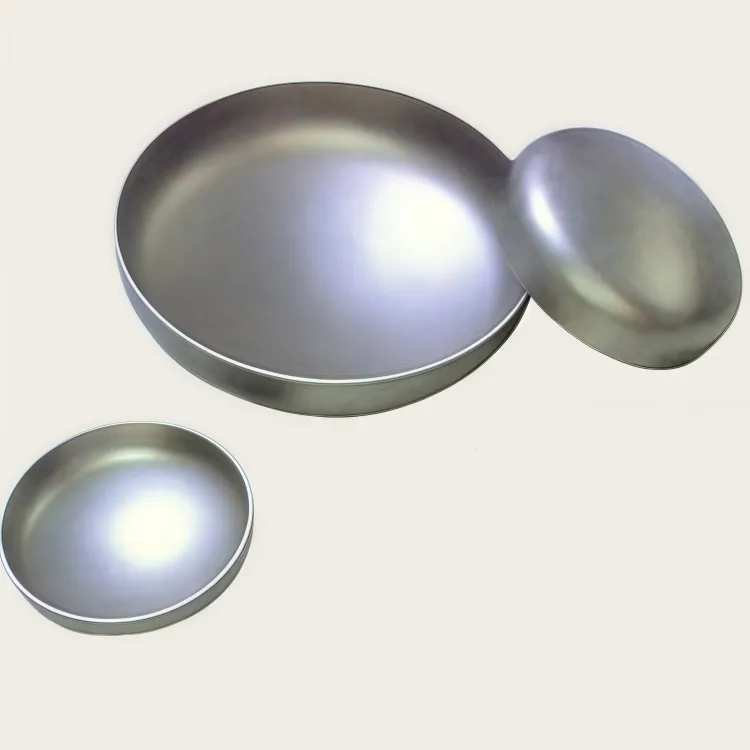
In conclusion, as a supplier of ASME tank heads, we understand the critical importance of rigorous testing to ensure the safety, reliability, and performance of these components. By employing a combination of visual inspection, dimensional inspection, non-destructive testing, pressure testing, and materials testing, we can ensure that our tank heads meet the highest standards of quality and compliance. If you are in the market for ASME tank heads, we invite you to contact us to discuss your specific requirements and explore how our products can meet your needs. We look forward to the opportunity to work with you and provide you with the best possible solution for your pressure vessel applications.
References
- ASME Boiler and Pressure Vessel Code
- API 650 - Welded Steel Tanks for Oil Storage
- ASTM International Standards for Metallic Materials