

As a supplier of Mild Steel End Caps, I am often asked about the abrasion resistance of these products. In this blog post, I will delve into the properties of mild steel end caps and explore their resistance to abrasion.
Understanding Mild Steel End Caps
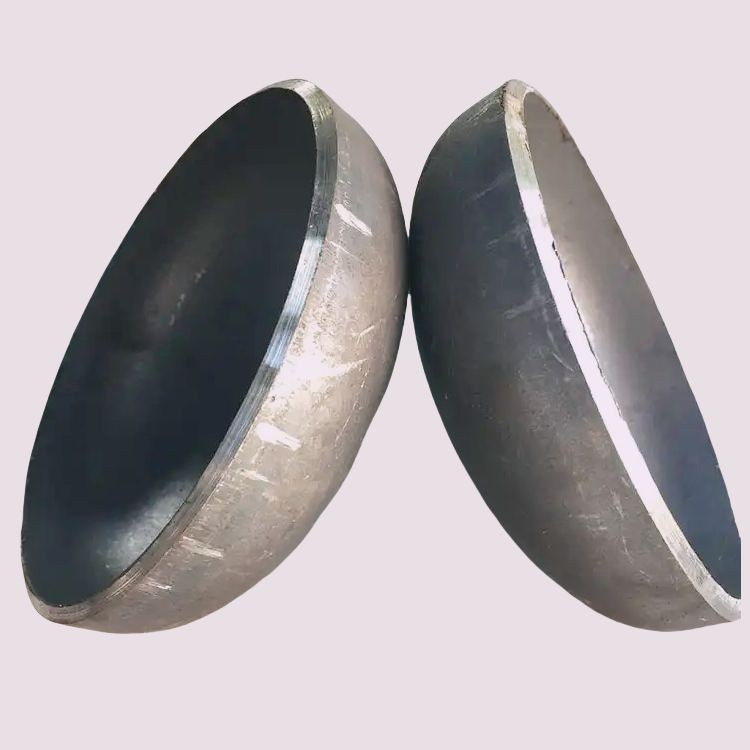
Mild steel is a type of carbon steel that contains a relatively low amount of carbon, typically between 0.05% and 0.25%. This low carbon content gives mild steel its characteristic properties, including good formability, weldability, and ductility. Mild steel end caps, as the name suggests, are used to seal the ends of pipes or tubes made of mild steel or other materials. They come in various shapes and sizes, such as round, square, and rectangular, and are commonly used in plumbing, construction, and industrial applications.
The Mild Steel End Cap we supply is manufactured to high-quality standards, ensuring a tight fit and reliable performance. These end caps play a crucial role in protecting the ends of pipes from damage, debris, and corrosion, as well as preventing leaks and maintaining the integrity of the piping system.
Factors Affecting Abrasion Resistance
Abrasion resistance refers to a material's ability to withstand wear and tear caused by friction, rubbing, or scraping against another surface. Several factors can influence the abrasion resistance of mild steel end caps:
1. Carbon Content
As mentioned earlier, mild steel has a low carbon content. While this makes it easy to work with, it may also affect its abrasion resistance. Generally, higher carbon content in steel leads to increased hardness and thus better abrasion resistance. However, the low carbon content in mild steel makes it relatively softer compared to high-carbon steels, which could potentially reduce its abrasion resistance.
2. Surface Hardness
The surface hardness of mild steel end caps is another critical factor. A harder surface is more resistant to abrasion because it can better withstand the forces exerted during contact with abrasive materials. Surface treatments such as heat treatment, case hardening, or coating can significantly increase the surface hardness of mild steel end caps, enhancing their abrasion resistance.
3. Microstructure
The microstructure of mild steel also plays a role in determining its abrasion resistance. A fine-grained microstructure generally provides better abrasion resistance than a coarse-grained one. This is because fine grains offer more interfaces and can resist the propagation of cracks more effectively, reducing the likelihood of material removal due to abrasion.

4. Contact Conditions
The conditions under which the mild steel end caps are in contact with abrasive materials can greatly affect their abrasion resistance. Factors such as the type of abrasive (e.g., sand, gravel, or metal particles), the pressure applied during contact, and the relative motion between the end cap and the abrasive can all influence the rate of wear. For example, if the end cap is subjected to high-pressure rubbing against a rough, hard surface, the abrasion will be more severe compared to a gentle, sliding contact with a smooth abrasive.
Assessing the Abrasion Resistance of Mild Steel End Caps
To determine the abrasion resistance of mild steel end caps, several testing methods can be employed:
1. Taber Abrasion Test
The Taber abrasion test is a widely used method for evaluating the abrasion resistance of materials. In this test, a specimen of the mild steel end cap is mounted on a rotating platform, and two abrasive wheels are pressed against the specimen with a specified load. As the platform rotates, the abrasive wheels rub against the surface of the specimen, causing wear. The amount of material removed after a certain number of rotations is measured, and the abrasion resistance is calculated based on this data.
2. Pin-on-Disk Test
In the pin-on-disk test, a pin made of an abrasive material is pressed against the surface of the mild steel end cap specimen, which is mounted on a rotating disk. The relative motion between the pin and the specimen causes abrasion, and the wear rate is measured by monitoring the change in the mass or dimensions of the specimen over time. This test can simulate different types of contact conditions, such as sliding or rolling, and is useful for comparing the abrasion resistance of different materials or surface treatments.
3. Sandpaper Abrasion Test
A simple and practical method for a quick assessment of abrasion resistance is the sandpaper abrasion test. In this test, a piece of sandpaper with a specific grit size is rubbed against the surface of the mild steel end cap with a constant pressure for a certain number of cycles. The surface of the end cap is then examined for signs of wear, such as scratches or material removal. While this test is not as precise as the Taber or pin-on-disk tests, it can provide a rough indication of the end cap's abrasion resistance.
Improving the Abrasion Resistance of Mild Steel End Caps
If the application requires high abrasion resistance, several measures can be taken to improve the performance of mild steel end caps:
1. Heat Treatment
Heat treatment processes such as quenching and tempering can significantly increase the hardness and strength of mild steel end caps. Quenching involves heating the end caps to a high temperature and then rapidly cooling them in a quenching medium, such as water or oil. This process forms a hard martensitic structure, which enhances the abrasion resistance. Tempering is then carried out to relieve the internal stresses generated during quenching and improve the toughness of the end caps.
2. Coating
Applying a protective coating to the surface of mild steel end caps is another effective way to improve their abrasion resistance. Coatings such as epoxy, polyurethane, or ceramic coatings can provide a hard, wear-resistant layer that protects the underlying mild steel from direct contact with abrasive materials. These coatings also offer additional benefits, such as corrosion resistance and improved aesthetics.
3. Alloying
Adding alloying elements to mild steel can modify its properties and enhance its abrasion resistance. Elements such as chromium, nickel, and molybdenum can increase the hardness, strength, and corrosion resistance of the steel. For example, adding chromium can form a hard chromium carbide layer on the surface of the end cap, which provides excellent abrasion resistance.
Applications and Abrasion Resistance Requirements
The abrasion resistance requirements for mild steel end caps vary depending on the application. In some applications, such as household plumbing, the end caps may only be exposed to mild abrasion from water flow and occasional contact with cleaning agents. In these cases, standard mild steel end caps without additional surface treatments may be sufficient.
However, in industrial applications where the end caps are exposed to harsh environments, such as mining, construction, or manufacturing, high abrasion resistance is often required. For example, in a mining operation, the end caps on pipes used for transporting abrasive slurries need to be able to withstand the constant rubbing and impact of the slurry particles. In these applications, heat-treated or coated mild steel end caps, or even more abrasion-resistant materials such as stainless steel or hardened steel, may be necessary.
Conclusion
In conclusion, the abrasion resistance of mild steel end caps depends on several factors, including carbon content, surface hardness, microstructure, and contact conditions. While mild steel itself has relatively low abrasion resistance due to its low carbon content and soft nature, various methods can be used to improve its performance, such as heat treatment, coating, and alloying.
As a supplier of Mild Steel End Cap, I understand the importance of providing products that meet the specific requirements of our customers. Whether you need standard mild steel end caps for general applications or high-abrasion-resistant end caps for industrial use, we can offer a range of solutions to suit your needs. We also supply Carbon Steel Pipe End Caps and Carbon Steel Caps with different specifications and performance characteristics.
If you are interested in learning more about our mild steel end caps or have any questions regarding their abrasion resistance, please feel free to contact us. We are always ready to discuss your requirements and provide the best solutions for your projects.
References
- Callister, W. D., & Rethwisch, D. G. (2018). Materials Science and Engineering: An Introduction. Wiley.
-ASM Handbook Committee. (2000). ASM Handbook Volume 8: Mechanical Testing and Evaluation. ASM International.