

Hey there! If you're in the nuclear industry, you know how crucial it is to have top - notch equipment that can withstand some pretty harsh conditions. As a supplier of steel dish heads, I've been getting a lot of questions lately about the radiation - resistance requirements for these components. So, I thought I'd take a deep dive into this topic and share what I've learned.
First off, let's talk about what steel dish heads are. They're essential parts of pressure vessels used in various industries, including the nuclear sector. We've got different types, like the Pressure Vessel Hemispherical Dished End, Torispherical Dished Head, and Flanged and Dished Tank Heads. Each type has its own unique shape and properties, but they all serve the same basic purpose: to seal the end of a pressure vessel.
Now, when it comes to the nuclear industry, radiation is a big deal. Radiation can cause all sorts of problems for materials, like embrittlement, swelling, and corrosion. These issues can seriously compromise the integrity of the steel dish heads and, in turn, the safety of the entire pressure vessel.
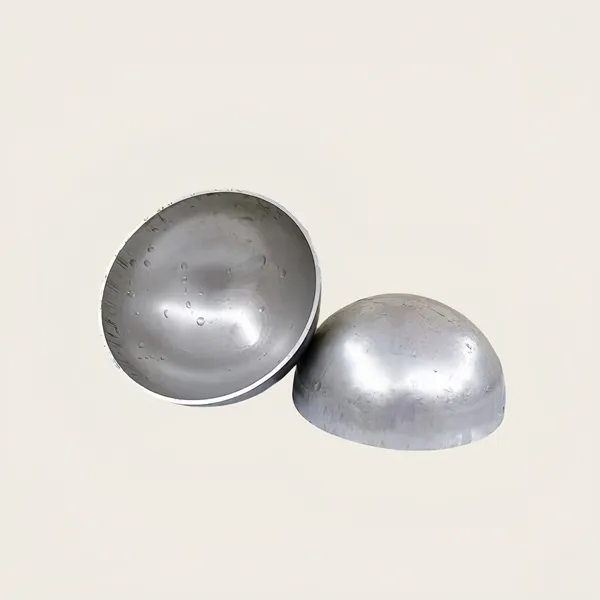

So, what are the radiation - resistance requirements for steel dish heads in the nuclear industry? Well, it all starts with the materials. We need to use steels that have good radiation - resistant properties. For example, some stainless steels are known for their ability to withstand radiation better than others. These steels usually have a specific chemical composition that helps them resist the effects of radiation.
One of the key factors in radiation resistance is the steel's microstructure. A fine - grained microstructure can often provide better resistance to radiation - induced damage. This is because the smaller grains can act as barriers to the movement of defects caused by radiation. So, during the manufacturing process, we pay close attention to controlling the grain size of the steel.
Another important aspect is the heat treatment. Proper heat treatment can improve the radiation resistance of the steel. It can help relieve internal stresses and enhance the overall mechanical properties of the dish heads. For instance, annealing can be used to reduce the hardness of the steel and make it more ductile, which is beneficial in a radiation - prone environment.
The nuclear industry also has strict standards and regulations regarding the radiation resistance of steel dish heads. These standards are set by organizations like the American Society of Mechanical Engineers (ASME) and the Nuclear Regulatory Commission (NRC). They specify the minimum requirements for materials, manufacturing processes, and testing.
Testing is a crucial part of ensuring that our steel dish heads meet the radiation - resistance requirements. We perform a variety of tests, such as tensile tests, impact tests, and microstructural analysis. These tests help us determine the mechanical properties of the steel and detect any signs of radiation - induced damage.
In addition to the initial testing, we also need to consider the long - term performance of the steel dish heads in a radiation environment. This means conducting accelerated aging tests to simulate the effects of years of radiation exposure in a shorter period of time. By doing so, we can predict how the dish heads will perform over their service life.
As a supplier, we take all these factors into account when producing steel dish heads for the nuclear industry. We work closely with our customers to understand their specific requirements and ensure that our products meet or exceed the industry standards.
Now, you might be wondering why it's so important to choose a reliable supplier for your steel dish heads. Well, the nuclear industry is highly regulated, and any failure in the equipment can have serious consequences. By choosing a supplier with a proven track record in producing radiation - resistant steel dish heads, you can have peace of mind knowing that your pressure vessels are in good hands.
We've got a team of experts who are constantly researching and developing new techniques to improve the radiation resistance of our steel dish heads. We're committed to using the latest technologies and best practices to ensure the highest quality of our products.
If you're in the market for steel dish heads for your nuclear applications, I encourage you to reach out to us. We'd be more than happy to discuss your specific needs and provide you with a customized solution. Whether you need a small batch of specialized dish heads or a large - scale production run, we've got the capabilities to meet your requirements.
In conclusion, the radiation - resistance requirements for steel dish heads in the nuclear industry are complex and demanding. But by using the right materials, following proper manufacturing processes, and conducting thorough testing, we can produce high - quality dish heads that can withstand the harsh radiation environment. If you're looking for a reliable supplier of radiation - resistant steel dish heads, don't hesitate to get in touch. Let's work together to ensure the safety and efficiency of your nuclear operations.
References
- American Society of Mechanical Engineers (ASME) Boiler and Pressure Vessel Code
- Nuclear Regulatory Commission (NRC) regulations
- Various research papers on radiation effects on materials in the nuclear industry