

Hey there! As a supplier of Carbon Steel Caps, I often get asked a bunch of questions about the applications of our products. One of the most common queries is whether carbon steel caps can be used in boiler pipelines. Well, let's dig into this topic and find out.
First off, let's understand what carbon steel caps are. Carbon steel is a type of steel that contains carbon as the main alloying element. It's known for its strength, durability, and relatively low cost compared to other materials. Carbon steel caps, as the name suggests, are caps made from carbon steel that are used to seal the ends of pipes. We offer a wide range of carbon steel caps, including Cap A234, Mild Steel End Cap, and Carbon Steel Pipe End Caps.
Now, let's talk about boiler pipelines. Boilers are essential equipment in many industries, used for generating steam or hot water. Boiler pipelines are responsible for transporting the steam or hot water from the boiler to various parts of the system. These pipelines operate under high pressure and temperature conditions, so the materials used in them need to be able to withstand these harsh environments.
So, can carbon steel caps be used in boiler pipelines? The answer is yes, but with some considerations.
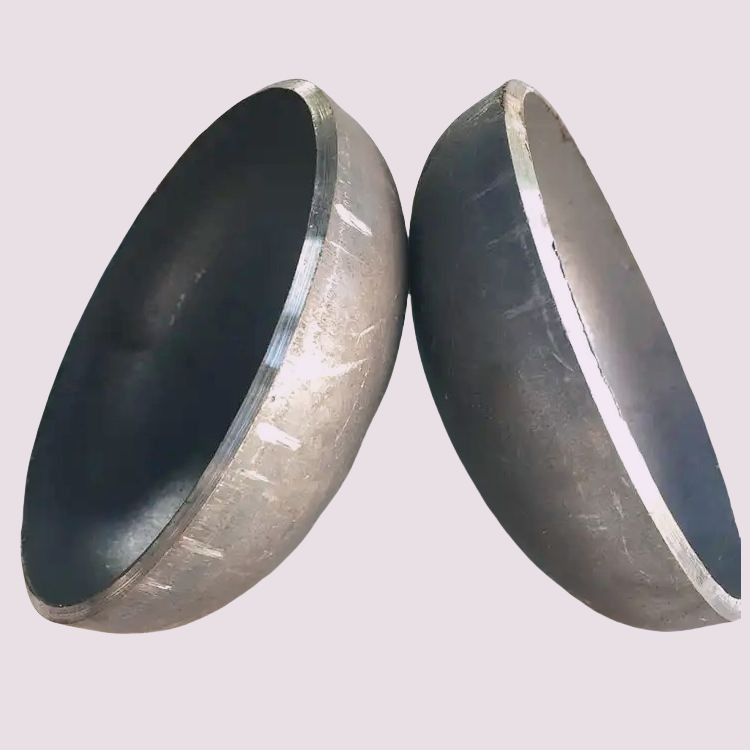

Advantages of Using Carbon Steel Caps in Boiler Pipelines
- Strength and Durability: Carbon steel is a strong and durable material. It can withstand high pressure and temperature, which are common in boiler pipelines. This means that carbon steel caps can provide a reliable seal for the pipeline ends, preventing leaks and ensuring the safe operation of the boiler system.
- Cost - Effectiveness: Compared to some other high - performance materials, carbon steel is relatively inexpensive. This makes carbon steel caps a cost - effective option for boiler pipeline applications, especially for large - scale projects where cost is a significant factor.
- Weldability: Carbon steel has good weldability. This is important in boiler pipeline installations because the caps often need to be welded to the pipes. Good weldability ensures a strong and reliable joint between the cap and the pipe, further enhancing the integrity of the pipeline system.
Considerations When Using Carbon Steel Caps in Boiler Pipelines
- Corrosion Resistance: Although carbon steel is strong, it is prone to corrosion, especially in the presence of water and oxygen. In boiler pipelines, where there is often moisture, corrosion can be a problem. To address this, carbon steel caps can be coated or treated to improve their corrosion resistance. For example, they can be galvanized or painted with anti - corrosion coatings.
- Temperature and Pressure Ratings: Different types of carbon steel have different temperature and pressure ratings. It's crucial to select the right type of carbon steel cap based on the specific operating conditions of the boiler pipeline. Using a cap with a lower rating than required can lead to failure and safety hazards.
- Material Compatibility: The carbon steel cap should be compatible with the material of the pipeline. If there is a significant difference in the materials, it can lead to galvanic corrosion or other compatibility issues.
Quality Assurance
As a supplier, we take quality very seriously. We ensure that our carbon steel caps are manufactured to meet the highest industry standards. We source high - quality carbon steel materials and use advanced manufacturing processes to produce caps with precise dimensions and excellent performance.
Before shipping our products, we conduct a series of tests, including non - destructive testing (NDT) such as ultrasonic testing and magnetic particle testing, to detect any internal or surface defects. We also perform pressure testing to ensure that the caps can withstand the specified pressure.
Installation and Maintenance
Proper installation is key to the successful use of carbon steel caps in boiler pipelines. The caps should be installed by trained professionals who follow the correct installation procedures. This includes ensuring proper alignment, cleaning the pipe ends before welding, and using the right welding techniques.
Regular maintenance is also essential. Inspections should be carried out periodically to check for signs of corrosion, wear, or damage. If any issues are found, the caps should be repaired or replaced promptly to prevent further problems.
Conclusion
In conclusion, carbon steel caps can be a suitable choice for boiler pipelines, thanks to their strength, cost - effectiveness, and weldability. However, it's important to take into account the corrosion resistance, temperature and pressure ratings, and material compatibility. By selecting the right caps, ensuring proper installation, and conducting regular maintenance, you can ensure the safe and reliable operation of your boiler pipeline system.
If you're in the market for high - quality carbon steel caps for your boiler pipeline projects, we'd love to hear from you. Whether you need Cap A234, Mild Steel End Cap, or Carbon Steel Pipe End Caps, we've got you covered. Reach out to us to discuss your specific requirements and let's start a great business partnership!
References
- ASME Boiler and Pressure Vessel Code
- ASTM Standards for Carbon Steel Pipes and Fittings
- "Handbook of Industrial Boiler Technology" by John A. Clarke