

In the manufacturing process of hot formed tank heads, waste management is a crucial aspect that not only impacts the environment but also the bottom line of our business. As a supplier of Hot Formed Tank Heads, I understand the challenges and responsibilities associated with handling the waste generated during the hot forming process. In this blog, I will share some effective strategies and best practices on how to handle this waste in a sustainable and cost - effective manner.
Understanding the Types of Waste in Hot Forming of Tank Heads
Before we delve into waste management strategies, it's essential to understand the different types of waste produced during the hot forming of tank heads.
Metal Scraps
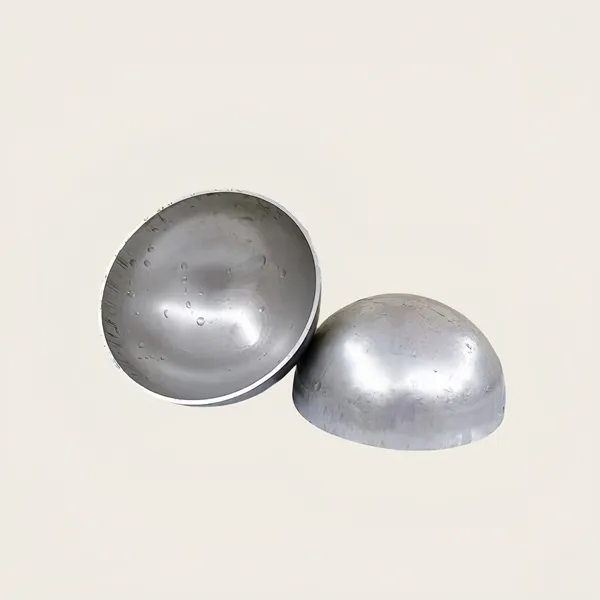
One of the most prominent types of waste is metal scraps. During the cutting, trimming, and shaping of the metal sheets to form tank heads such as Torispherical Dished Head, Pressure Vessel Hemispherical Dished End, and Flanged and Dished Tank Heads, excess metal is removed. These scraps can vary in size, from small shavings to large pieces of metal.
Oxide Scale
When the metal is heated during the hot forming process, oxide scale forms on the surface. This scale is a mixture of metal oxides and can flake off during handling and processing. Oxide scale not only contains valuable metals but can also be a source of environmental pollution if not properly managed.
Lubricants and Coolants
To ensure smooth forming and prevent overheating of the tools and the metal, lubricants and coolants are used. Over time, these substances can become contaminated with metal particles and other impurities, and eventually, they need to be replaced. The used lubricants and coolants are considered waste and require proper disposal.
Recycling Metal Scraps
Recycling is one of the most effective ways to handle metal scraps generated in the hot forming of tank heads.
Collection and Sorting
The first step in recycling metal scraps is to collect them systematically. Designated collection bins should be placed at various workstations to ensure that all scraps are properly gathered. Once collected, the scraps need to be sorted by type of metal (e.g., stainless steel, carbon steel) and size. This sorting process is crucial as it allows for more efficient recycling and can increase the value of the recycled materials.
Partnering with Recycling Facilities
Establish partnerships with reliable recycling facilities. These facilities have the expertise and equipment to process the metal scraps into reusable materials. By selling the sorted metal scraps to recycling facilities, we not only reduce waste but also generate additional revenue. Moreover, recycling reduces the demand for virgin metals, which has a positive impact on the environment by conserving natural resources.
Reusing Oxide Scale
Oxide scale, although considered waste, can be reused in several ways.
Metal Recovery
Oxide scale contains a significant amount of metal. Through various chemical and physical processes, the metal can be recovered from the oxide scale. For example, some recycling techniques involve reducing the metal oxides in the scale back to their metallic form. This recovered metal can then be used in the production of new tank heads or other metal products.
Use as a Raw Material in Other Industries
In some cases, oxide scale can be used as a raw material in other industries. For instance, it can be used in the production of pigments, refractories, or as a flux in the steelmaking process. By finding alternative uses for oxide scale, we can minimize waste and contribute to a more circular economy.
Proper Disposal of Lubricants and Coolants
Lubricants and coolants require special attention when it comes to waste management.
Filtration and Reclamation
Before disposing of used lubricants and coolants, consider filtration and reclamation processes. These processes can remove the contaminants from the used substances, allowing them to be reused. Filtration systems can be installed in the manufacturing facility to continuously clean the lubricants and coolants during the production process.
Compliance with Environmental Regulations
When it is no longer possible to reuse the lubricants and coolants, proper disposal is essential. Ensure that the disposal process complies with all relevant environmental regulations. This may involve working with licensed waste disposal companies that have the necessary permits and expertise to handle hazardous waste safely.
Waste Minimization at the Source
In addition to recycling and proper disposal, waste minimization at the source is a key strategy.
Optimized Design and Cutting Processes
By optimizing the design of tank heads and the cutting processes, we can reduce the amount of excess metal generated. Advanced computer - aided design (CAD) and computer - aided manufacturing (CAM) technologies can be used to plan the cutting patterns more efficiently, minimizing waste. For example, nesting algorithms can be used to arrange the shapes of the tank heads on the metal sheets in a way that maximizes material utilization.
Process Improvement
Continuously improving the hot forming process can also lead to waste reduction. This may involve optimizing the heating and cooling parameters, using more precise forming tools, and reducing the frequency of tool wear. By improving the process, we can not only reduce waste but also improve the quality and efficiency of production.

Benefits of Effective Waste Management
Implementing effective waste management strategies in the hot forming of tank heads offers several benefits.
Environmental Benefits
By recycling, reusing, and properly disposing of waste, we reduce the environmental impact of our manufacturing operations. This includes reducing pollution, conserving natural resources, and minimizing the carbon footprint associated with the production of tank heads.
Economic Benefits
Recycling metal scraps and reusing oxide scale can generate additional revenue. Moreover, waste minimization at the source reduces the cost of raw materials and disposal. Over time, these cost savings can significantly improve the profitability of our business.
Reputation and Compliance
Proper waste management demonstrates our commitment to environmental sustainability and social responsibility. This can enhance our reputation in the market and make us more attractive to environmentally - conscious customers. Additionally, compliance with environmental regulations helps us avoid potential fines and legal issues.
Conclusion
Handling the waste generated in the hot forming of tank heads is a complex but essential task. As a supplier of Hot Formed Tank Heads, we have a responsibility to manage waste in a sustainable and cost - effective manner. By recycling metal scraps, reusing oxide scale, properly disposing of lubricants and coolants, and minimizing waste at the source, we can not only reduce our environmental impact but also improve our economic performance.
If you are interested in our high - quality Hot Formed Tank Heads and want to discuss potential procurement opportunities, please feel free to reach out. We are eager to work with you and provide the best solutions for your tank head needs.
References
- "Metal Recycling Handbook" by John Doe
- "Environmental Management in Manufacturing" by Jane Smith
- "Advanced Manufacturing Processes for Pressure Vessels" by Robert Johnson