

As a supplier of ASME Standard Tankheads, I often encounter inquiries regarding the pressure ratings of these essential components. In this blog, I'll delve into the intricacies of ASME Standard Tankhead pressure ratings, exploring the factors that influence them and their significance in various applications.
Understanding ASME Standards for Tankheads
ASME (American Society of Mechanical Engineers) has established a comprehensive set of standards for tankheads to ensure safety, reliability, and performance. These standards cover a wide range of aspects, including material selection, design, fabrication, and testing. The pressure rating of an ASME Standard Tankhead is a critical parameter that determines its suitability for specific applications.
The ASME Boiler and Pressure Vessel Code (BPVC) is the primary reference for pressure vessel design and construction, including tankheads. The code provides detailed guidelines on how to calculate the pressure ratings of different types of tankheads based on factors such as material properties, head geometry, and operating conditions.
Types of ASME Standard Tankheads and Their Pressure Ratings
There are several types of ASME Standard Tankheads commonly used in industrial applications, each with its own unique pressure rating characteristics. Some of the most common types include:
1. Ellipsoidal Heads
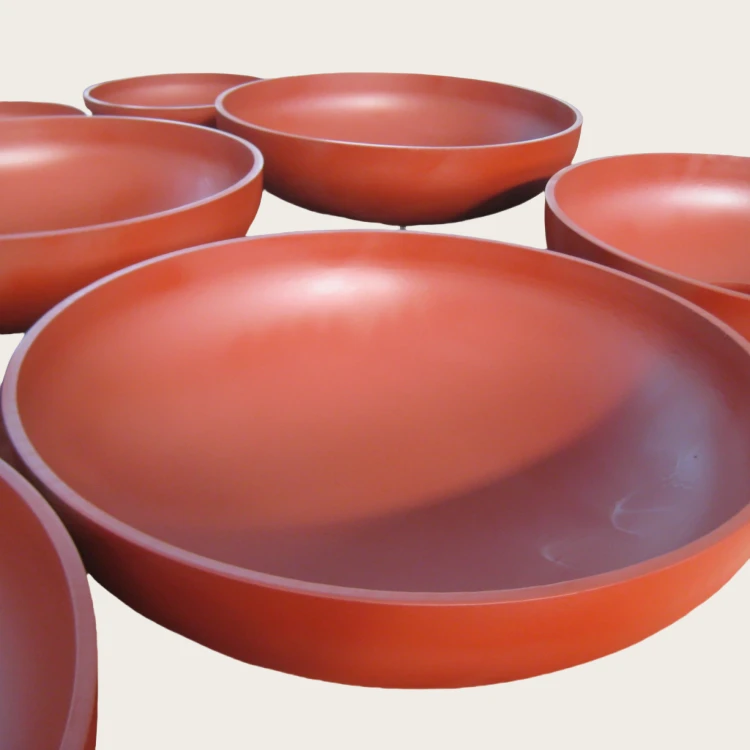
Ellipsoidal heads are widely used in pressure vessels due to their favorable stress distribution and efficient use of material. The most common type of ellipsoidal head is the 2:1 Ellipsoidal Head, which has a ratio of major to minor axis of 2:1. The pressure rating of a 2:1 ellipsoidal head is typically higher than that of other types of heads due to its more uniform stress distribution.
The ASME 2:1 Elliptical Head is designed and manufactured in accordance with ASME standards, ensuring compliance with strict quality and safety requirements. The pressure rating of an ASME 2:1 elliptical head is determined by factors such as the thickness of the head, the material used, and the design temperature and pressure.
2. Hemispherical Heads
Hemispherical heads offer the highest pressure rating among all types of tankheads due to their perfect spherical shape, which provides the most uniform stress distribution. However, they are also the most expensive to manufacture due to their complex shape and the need for specialized equipment.
3. Torispherical Heads
Torispherical heads, also known as flanged and dished heads, are a popular choice for pressure vessels due to their relatively low cost and ease of fabrication. They consist of a spherical section and a toroidal section, which provides a smooth transition between the head and the shell of the vessel. The pressure rating of a torispherical head is typically lower than that of an ellipsoidal or hemispherical head but higher than that of a flat head.
Factors Influencing Pressure Ratings
Several factors influence the pressure rating of an ASME Standard Tankhead, including:

1. Material Properties
The material used to manufacture the tankhead plays a crucial role in determining its pressure rating. Different materials have different mechanical properties, such as yield strength, tensile strength, and ductility, which affect their ability to withstand pressure. Common materials used for ASME Standard Tankheads include carbon steel, stainless steel, and alloy steel.
2. Head Geometry
The geometry of the tankhead, including its shape, thickness, and diameter, also affects its pressure rating. As mentioned earlier, ellipsoidal and hemispherical heads generally have higher pressure ratings than torispherical and flat heads due to their more favorable stress distribution.
3. Design Temperature and Pressure
The design temperature and pressure of the pressure vessel are important factors in determining the pressure rating of the tankhead. Higher design temperatures and pressures require thicker and stronger materials to ensure the safety and reliability of the vessel.
4. Welding and Fabrication Quality
The quality of the welding and fabrication processes used to manufacture the tankhead can also affect its pressure rating. Proper welding techniques and quality control measures are essential to ensure the integrity of the welds and the overall strength of the tankhead.
Importance of Pressure Ratings in Applications
The pressure rating of an ASME Standard Tankhead is a critical factor in ensuring the safety and reliability of pressure vessels in various applications. Using a tankhead with a pressure rating that is too low for the intended application can result in catastrophic failure, leading to serious injury, property damage, and environmental pollution.
On the other hand, using a tankhead with a pressure rating that is too high can result in unnecessary cost and weight, as well as reduced efficiency. Therefore, it is important to select the appropriate tankhead with the correct pressure rating for the specific application.
How to Determine the Pressure Rating of an ASME Standard Tankhead
Determining the pressure rating of an ASME Standard Tankhead requires a thorough understanding of the ASME Boiler and Pressure Vessel Code and the specific requirements of the application. In general, the pressure rating of a tankhead can be calculated using the following steps:
1. Determine the Design Conditions
The first step in determining the pressure rating of a tankhead is to determine the design conditions, including the design temperature, design pressure, and corrosion allowance. These parameters are typically specified by the end-user or the engineering firm responsible for the design of the pressure vessel.
2. Select the Appropriate Head Geometry
Based on the design conditions and the specific requirements of the application, select the appropriate head geometry, such as an ellipsoidal, hemispherical, or torispherical head. Consider factors such as stress distribution, cost, and ease of fabrication when making your selection.
3. Calculate the Thickness of the Head
Using the ASME Boiler and Pressure Vessel Code, calculate the required thickness of the tankhead based on the design conditions, head geometry, and material properties. The code provides detailed equations and procedures for calculating the thickness of different types of tankheads.
4. Verify the Pressure Rating
Once the thickness of the tankhead has been calculated, verify the pressure rating by performing a stress analysis using finite element analysis (FEA) or other appropriate methods. The stress analysis should take into account the effects of internal pressure, external loads, and thermal stresses.
Conclusion
In conclusion, the pressure rating of an ASME Standard Tankhead is a critical parameter that determines its suitability for specific applications. Understanding the factors that influence pressure ratings and how to determine the appropriate pressure rating for a given application is essential for ensuring the safety and reliability of pressure vessels.
As a supplier of ASME Standard Tankheads, we are committed to providing high-quality products that meet or exceed the requirements of our customers. Our team of experienced engineers and technicians can assist you in selecting the appropriate tankhead with the correct pressure rating for your specific application. If you have any questions or would like to discuss your tankhead requirements, please do not hesitate to contact us. We look forward to the opportunity to work with you and provide you with the best possible solutions for your pressure vessel needs.
References
- ASME Boiler and Pressure Vessel Code, Section VIII, Division 1
- Pressure Vessel Design Manual, by Dennis Moss